
Housing News
Home Price Cuts Are Rising: How Homebuyers Can Use Them to Save
August 13, 2026
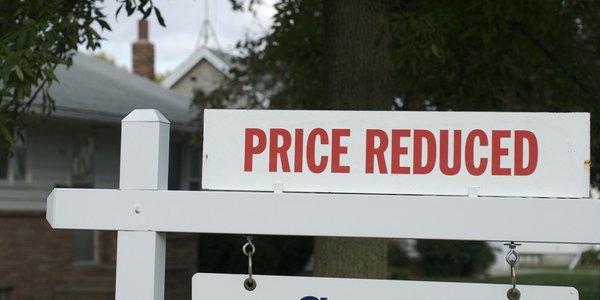
More home sellers are reducing their asking prices, giving homebuyers in some housing markets an opening to negotiate deals.
The share of homes for sale with price cuts rose from less than 17% in April to 20% in July, according to a recent Realtor.com July 2026 Monthly Housing Trends report. In several major metropolitan areas, sellers have slashed prices on more than a quarter of listings.
Price cuts were most common in the Portland, Ore. metropolitan area, where 31% of listings had reduced prices. Denver, Colo. followed closely at 30.9%.
The increase does not necessarily mean home values are falling. Sellers often become more willing to lower their asking prices later in the summer before fall arrives and there are fewer home shoppers in the market.
“This is a normal seasonal trend,” said Realtor.com senior economist Jake Krimmel. “Sellers tend to get a little more desperate later in the homebuying season if their listing is still on the market.”
Price cuts were less common nationally than they were at the same point last year, according to Krimmel. He attributed the decline to stronger homebuyer demand and sellers setting more realistic asking prices.
Still, the concentration of price cuts in certain markets could give homebuyers more leverage over the final sale price, closing costs, repairs, and other terms.
The 10 metros with the most home price cuts
The metropolitan areas with the highest share of reduced listings in July were:
- Portland, Ore.: 31%
- Denver: 30.9%
- Dallas: 28.3%
- Austin, Texas: 28.3%
- Phoenix: 28.1%
- Indianapolis: 27%
- Salt Lake City: 27%
- Columbus, Ohio: 26.2%
- Charlotte, N.C.: 26%
- San Antonio, Texas: 25.8%
How homebuyers can take advantage of price cuts
A home price reduction may lower the amount a homebuyer needs to borrow. That may reduce the down payment and monthly mortgage payment.
“When price cuts become more common, that’s absolutely good news for buyers,” said Krimmel. “Not only are they looking at lower asking prices, but that’s also a sign that the seller might be willing to give a little more in negotiations.”
Here are several ways homebuyers can use the information.
Look for homes that have been listed longer
Sellers of a property that has spent several weeks or months on the market may be more open to negotiate than the owners of a newly listed home.
Homebuyers can ask their real estate agent to identify homes with longer market times, previous price reductions, or listings that have returned to the market after a contract fell through.
The listing history can help a homebuyer gauge whether the seller may consider an offer below the current asking price.
Calculate what the price reduction means for your mortgage payment
A lower price does not automatically make a home affordable. Homebuyers should ask their lender to calculate the estimated monthly payment using the reduced price, current mortgage rate, down payment, property taxes, homeowners insurance, and any homeowners association fees.
Running the numbers can show whether the price cut brings the home within budget or whether further negotiation is needed.
Negotiate for seller concessions
The asking price is only one part of a home purchase. A motivated seller may also agree to contribute toward eligible closing costs, contribute to repairs after a home inspection, or provide another concession.
Homebuyers may also ask whether a seller contribution can be used to reduce their mortgage interest rate through a temporary or permanent rate buydown. This is when the seller or buyer pays to lower the rate. Eligibility and contribution limits depend on the mortgage program and transaction.
In some cases, preserving cash at closing or securing a lower mortgage rate may help a homebuyer more than obtaining another small reduction in the sale price.
Keep the home inspection
A price reduction should not be treated as a reason to waive important protections. The home may have been overpriced from the start. However, it could also need repairs or improvements that previous homebuyers were unwilling to accept.
A home inspection can help a homebuyer understand the property’s condition and decide whether to request repairs, a credit, or another price adjustment.
Get pre-approved before making an offer
Price cuts can attract renewed attention to a listing. A mortgage pre-approval can help a homebuyer determine their price range and submit a stronger offer when the right opportunity appears.
A pre-approval is when a lender looks at your credit score, debt, income and estimates how much you may be eligible to borrow.
The goal is not simply to purchase a discounted home. It is to use the additional negotiating room to arrive at a price and monthly payment that fit the homebuyer’s finances.
Author




 Stay one step ahead