

Homeowners
You Bought a Home. The 7 Things You Need to Do Before Moving In
July 28, 2025
The process of buying a home can be quite the ordeal, so it’s tempting to simply take a break from all things home-related after (finally!) closing. But don’t put away that to-do list quite yet—there’s some pre-move-in prep work to get done first.
By taking the time to do things like renovations, safety checks, and deep cleans, you can do your best to ensure those first few months—and years—in your new home are as stress-free as can be.
“The prep work sets you up for a much more enjoyable experience in your new space with less anxiety so you can focus more on settling in and making it yours,” said Jacob Naig, a real estate agent with We Buy Houses in Des Moines in Iowa.
With that in mind, here are some things you can (and probably should) do before you move in.
1. Do big renovations before you move in
Any kind of large-scale renovation, like a kitchen overhaul, replacing old floors, or adding a new bathroom to the home, is best done before moving in.
Living in a construction zone is stressful—and messy. So, if you can, try to wait to move in until after any big renovations are complete.
2. Change the locks
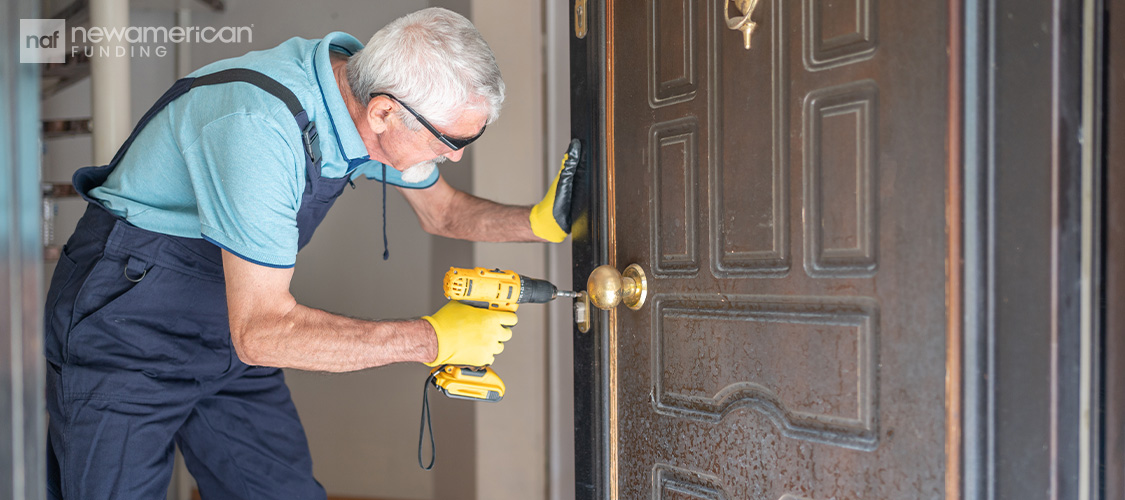
One of the first things you should do is change the locks before you move all of your valuables into your new home.
“Who knows how many extra keys there are out in the wild from previous owners, neighbors, or contractors who’ve done work on the property?” said Naig. “Changing the locks is a fairly small investment that can pay huge dividends in peace of mind.”
If your home has a garage, replace the garage door opener, too. All of this can be done by yourself or with the help of a local locksmith.
3. Test the plumbing
Plumbing issues can be a major headache—especially once you’ve already set up shop in your new place.
That’s why it’s best to test out any plumbing fixtures ASAP to catch issues before they arise.
Run the dishwasher and washing machine, turn on faucets and shower heads, and flush toilets to make sure everything is working as it should.
4. Paint the walls

If you plan on painting or putting up wallpaper, that’s best done before you add all your furniture and belongings to the home.
Try to schedule a day before the movers arrive to have professional painters do the work or set up drop cloths and ladders and do it yourself.
“If you are going to do any cosmetic work, it is a lot easier to paint or wallpaper before you’ve moved in completely,” said Naig.
5. Check smoke and carbon monoxide detectors
Smoke and carbon monoxide detectors are a crucial safety feature in any home. That’s why it’s important to test them before spending the night in your place.
While the detectors were hopefully checked during your home inspection, that may have been weeks ago. Make sure each detector is still connected to power and works correctly. If you find one that’s broken, replace it immediately.
6. Deep clean the home

While this isn’t a must-do as much as many of the other things on this list, a pre-move-in deep cleaning can be so helpful if you have the time or money for it.
It ensures that every nook and cranny is properly scrubbed, dusted, and swept before all your stuff gets moved in, making your new home a (literal) clean slate. This includes cleaning out hard-to-reach places like ceiling fans and areas that may not be cleaned as much, such as refrigerators, ovens, and basements and attics.
“This also gives you a [home] to move into that really feels fresh and new,” said Naig. “[That] is key to feeling settled into a space.”
You can do this yourself by working through a cleaning checklist over a day or two. Or you can hire a professional cleaning service to do it for you.
7. Set up utilities
As soon as you know your closing date, set up your utilities, even if you won’t be moving in until long after you sign on the dotted line. Getting internet and water service can take time to happen. So, the earlier you get this process started, the better.
You’ll likely need to set up electricity, water, trash, and possibly natural gas. Don’t forget about internet or cable television either.
Some mortgage lenders have affiliates that will even do it for you, as a complimentary service.
Depending on how long you’ll be waiting to move in, you may need two separate utility accounts—one for your old place and one for your new one—rather than just transferring them.
Author




 Stay one step ahead