Homeowners
How to Sell the Home You’re Living in and Maintain Your Sanity
May 25, 2026
Selling a home while you’re still living in it can be quite stressful.
Even if you’re an extremely organized person, having to keep a home pristine for showings can be challenging, especially if you have a large family and pets.
“You have 10 seconds to make that first impression to buyers,” said Veronique Perrin, a real estate agent at Coldwell Banker Warburg in New York City. “I have seen qualified [buyers] make a 180-turn as soon as they walk into a home that is a mess.”
Those first impressions matter as they can be the difference between a home wasting away on the market or receiving a quick offer over the asking price.
That’s why it’s important to showcase your property in the best possible light so prospective buyers can imagine themselves living there.
The good news is that staging a home doesn’t require you to move all your belongings out, purchase expensive new furniture, or lose your mind. All you need is a clear plan and a few habits to help your property shine.
Declutter your home when staging
Decluttering is one of the simplest and most effective ways to get your home ready for showings. It should be the first task on your to-do list to get your property ready. That’s because clutter can be a major turnoff and can make a home feel tight, even if there’s ample space.
“Removing your everyday clutter lets buyers mentally ‘move in’ instead of feeling like they are touring someone else’s life,” said Denver-based real estate agent Mike Bruce of Bruce Homes Colorado.
Beyond having more space and visual appeal, there are other practical advantages. Paring down your belongings can make it easier to clean your home, reduce what you’ll need to pack eventually, and can improve natural light.
Perrin points out that decluttering can have financial benefits to staging a home as well.
“Moving is expensive, so why pay to move stuff you don’t need or won’t be able to use in your next home?” she said.
You can start by removing contents from your closets and high traffic areas. Then, sort items into keep, donate, and store categories.
Items you need, but don’t want to be visible, can be put away in closets, or under beds, or in neat containers in the basement or attic. The rest can be kept in a storage unit or with friends or family.
Remove personal items from your home during staging

Shifting your focus to depersonalizing your space will help buyers picture themselves living there.
You want to present a clean and neutral home. That means removing family photos, bold artwork, and any political or sports affiliations, as these can distract buyers from the home’s features.
Start by assessing your space. You may also want to stow away valuables and polarizing displays.
That’s not to say you should totally strip your home of warmth and cozy elements. Embrace simple arrangements and neural tones. Doing so will help buyers focus on the layout, natural light, and other elements that can influence purchase decisions.
Build simple staging systems for your home
Making meaningful improvements starts with making any big changes and then creating simple systems to maintain them.
Start by making low-cost changes that have an outsize impact, like swapping out outdated light fixtures, painting walls in neutral tones, updating cabinet hardware, planting flowers out front, mowing the lawn, and even power washing your home’s exterior.
As for the inside, how you present even the smallest details matter.
“Organizing closets and pantries is easy to do yourself and offers a big return on your time investment,” Perrin said.
She suggests having a tidy foyer as it can shape a buyer’s first impression of the home before they see the rest. Other ideas include arranging and organizing clothing in closets by color, neatly lining spices and curating bookshelves.
Once you have a clean and organized space, it’ll be easier to implement a system to keep it that way, even in between viewings.
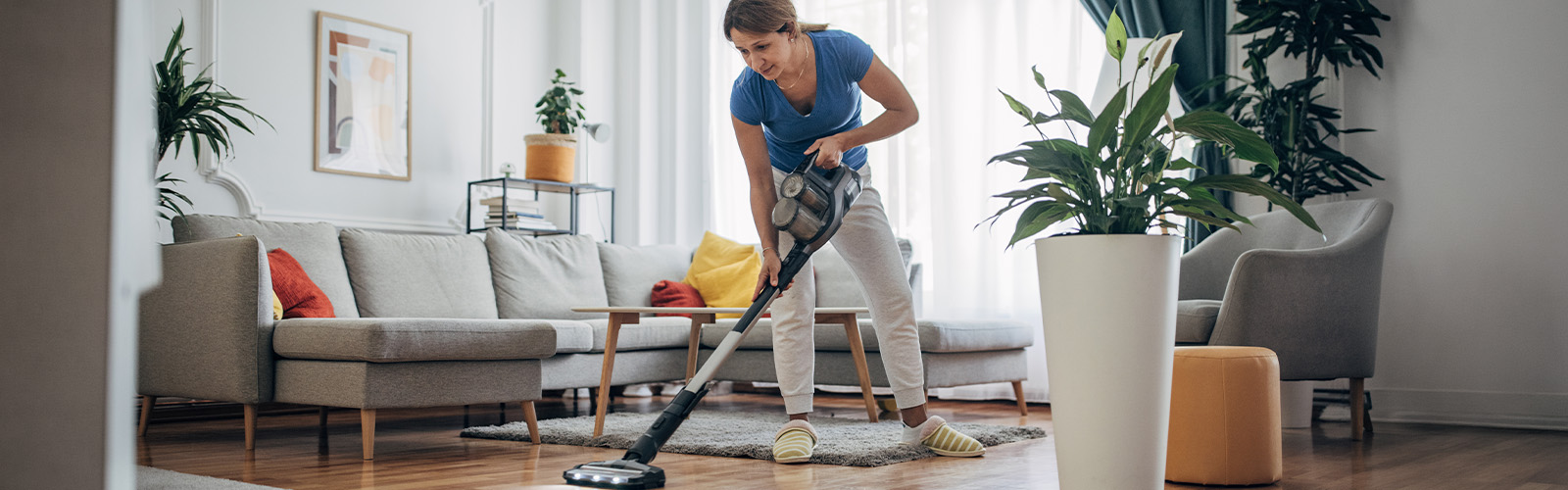
“Do a 15-minute reset each day where you clear counters, make beds, empty trash, hide laundry, and do a quick sweep or vacuum,” said Bruce. “Have a bin to quickly throw clutter in before last-minute showings.”
Perrin suggests having a detailed checklist and enlisting the help of everyone in your home to pitch in.
For example, storing pet items out of sight and doing a quick sweep to remove pet hairs can make a big difference. Also, try to avoid cooking foods that have strong smells and air out the home regularly.
Consider hiring a professional stager
 Having some outside perspective can be helpful as you figure out which changes are the most important to local buyers.
Working with a professional stager or your real estate agent is often worthwhile as they can help you work more efficiently and with what you already have. They understand presentation and how the home can flow in ways that homeowners may not. And they’re not as emotionally attached to the property as the homeowners.
“A real estate agent sees the homes through a buyer’s point of view,” Bruce said. “What might feel normal for you can raise red flags for a buyer.”
The return on investment could show up in more offers for larger amounts, a quicker sale, and fewer objections during purchase contract negotiations.
Author




 Stay one step ahead