

Homeowners
Better Safe than Sorry: How to Choose the Right Security System for Your Home
November 28, 2025
Every 15 seconds a home is burglarized. That adds up to about 4,800 burglaries a day in America, according to The Zebra, an insurance comparison site.
While the numbers are jarring, there is some good news. Residential burglaries decreased 38% between 2019 and 2024 in the U.S., according to the Council on Criminal Justice.
Why?
The combination of better home security systems, law enforcement, and more people working from home post-COVID are a big reason why there are fewer burglaries, according to Securiteam, a security and technology company. Burglars are less likely to break into a home that’s recording them or can alert the police once they step foot on the property.
That’s why many homeowners are investing in home security systems. Some mortgage lenders will even help you to set up these systems—free of charge—after you purchase a home.
“Security is all about ‘layers of protection.’ The more layers you have, the more secure you are,” said cyber security expert Robert Siciliano, CEO of Safr.Me. “Layering a home security system that adds intrusion detection sensors to [door, lock, and window] access points alerts the homeowner, alarm central and local police to a breach.”
If you decide that it’s in your best interest to invest in a home security system, you should make sure you’re picking the right one. Here’s what you need to know.
Evaluate your home and belongings before choosing a home security system
Every home security system provider will say that their product is “the best.” The only way to narrow down your choices is to determine what system is the best for you.
Think about your property. How big is your home? How valuable are your personal belongings? Are you and your family all out of the home for extended periods of time? The answers to these questions will help you decide how advanced your system needs to be.
However, even if you don’t have many valuable items, doesn’t mean you should choose the cheapest system on the market.
“The level of security needed often boils down to a personal decision that balances the cost of the system with the perceived risk of what needs protecting,” said Siciliano.
Professional vs. self-monitored home security systems
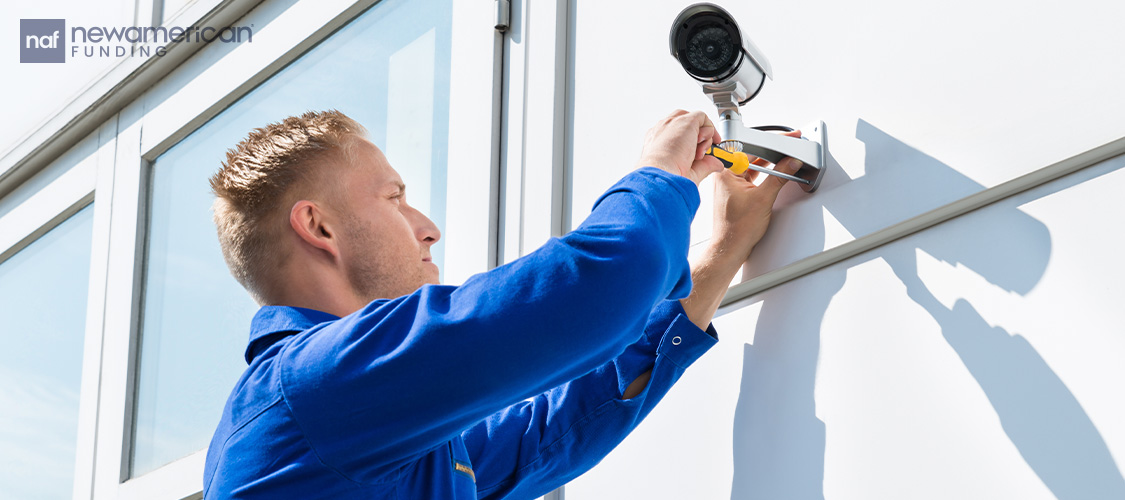
Selecting a home security system comes with a lot of choices. The biggest is generally what type of monitoring you would prefer, professionally or self-monitored.
Professionally monitored home security systems
A professionally-monitored home security system is exactly what it sounds like. A trained team will look after your system 24/7 and contact law enforcement if the alarm is triggered.
You’ll likely be able to monitor the systems yourself as well with a smartphone app, but the professionals will also be keeping constant watch for you.
The downside to having a professionally-monitored security system is you’ll typically have to pay monthly monitoring fees. Is the additional cost worth not having to worry about missing an alert?
Self-monitored home security systems
Opting for a self-monitoring home security system will save you from paying monthly fees with most companies. Those savings come at a cost, however.
You’re now fully responsible for monitoring your security system’s alerts. If you miss an alert, someone could have robbed your home before you had time to contact the police.
When it comes to deciding between a self-monitored or professionally-monitored security system, the choice comes down to whether you want to pay more and not have to worry about watching for alerts or save on the fees but need to keep a close eye on your system’s mobile app.
Optional professional monitoring could be a best-of-both-worlds solution. Look for a home security system that offers this option. This provides you with professional monitoring when you need it, such as if you’re going out of town for a week, rather than being locked into a long-term contract.
Which home security equipment is right for you?
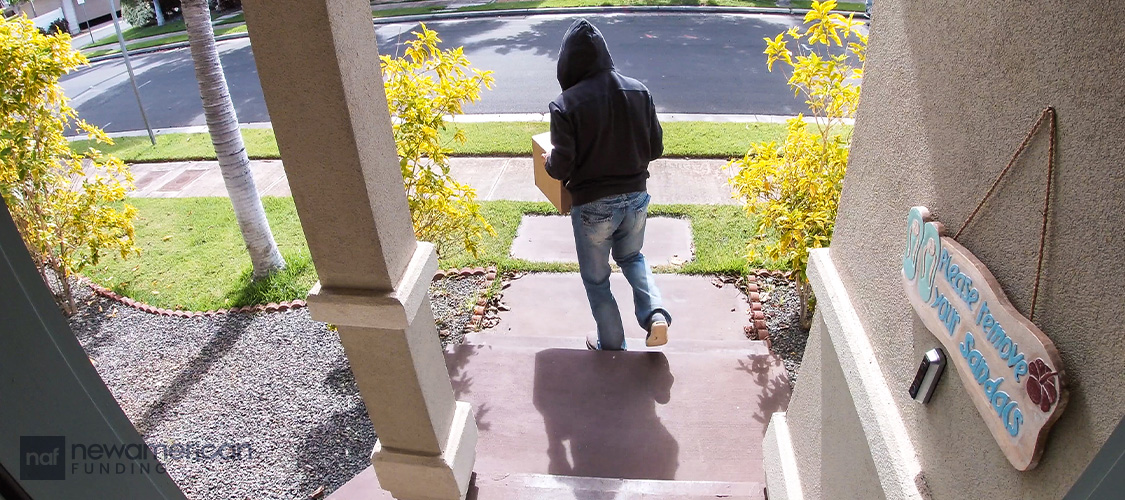
Your search for the ideal home security systems should also include what sort of equipment you’ll need. Today’s systems offer more than just a loud alarm and code keypad. There are many kinds of security cameras, video doorbells, motion detectors, broken glass, and open garage door sensors that you may be able to add to your home security package.
When trying to figure out what kind of equipment you need, consider how you live. If you get a lot of packages delivered, it may not hurt to have a video doorbell to deter people from stealing boxes from your door.
If you live in a busy area where it’s easy to get onto your property, you may want to invest in motion sensors.
And don’t forget to install it properly and turn it on.
“The best home security system is one that is turned on and functional when it is needed most,” said Siciliano. “Most people who have a home security system don’t even turn them on.”
What to consider before signing a home security contract

Once you’ve selected a home security system company, it’s time to sign on the dotted line. Review the contract carefully before you do, however. There are certain factors you want to pay close attention to before making a commitment.
Look at the contract length. Are you comfortable being tied to the company for multiple years? The typical home security contract is 36 months, according to SafeHome.org.
A longer contract could help keep your monthly payments down, but it will be difficult to exit without a penalty. That could be costly if you have to move before your contract is up.
Other things to look for in the contract are equipment ownership, if the company covers equipment repair costs, and if the provider bears any responsibility if your property is stolen.
“Managing a home security system is one of the most effective ways to maintain a security mindset to reduce risk,” said Siciliano. “A home security system [should] protect loved ones not just while they're away from the home, but at home during the day, and especially while they're sleeping.”
Author



 Smart Moves Start Here.