Homebuyers
When Is a Cheap Home a Red Flag?
July 29, 2025
In a housing market where affordability can be challenging to come by, stumbling across a low-priced listing can feel like a lucky break for some homebuyers.
However, not every bargain home is a wise investment. Some homes are underpriced for strategic reasons, while others come with issues that can’t be fixed after watching a quick DIY tutorial on YouTube.
“Just because a home is cheap does not mean it is a deal,” said Ron Myers of Ron Buys Florida Homes based in Wellington. “You have to slow down, ask the right questions, and do your homework. If it all checks out, then great. If not, walk away.”
So, how can a buyer know when a low price is a deal—and when it’s a warning sign? Here’s what buyers should consider before jumping at the lowest-priced home in the neighborhood.
How low is priced too low when buying a home?
The first thing to check is how the price of a home compares to that of other similar homes in the area.
A home priced slightly below comparable properties is one thing. However, if a three-bedroom single-family home is listed for tens of thousands less than similar listings and has been on the market for weeks or months, there may be an underlying issue.
“If similar homes in the same area are selling for $350,000 and one is priced at $270,000, you have to ask why,” said Daniel Blake, a real estate professional and manager at Clever Offers.
Multiple price reductions and homes that fall in and out of contract often suggest something is turning buyers off. That could be due to the condition of the property, potential buyers facing financing complications, or problems that arose during the inspection. It may also be located near something undesirable.
Aside from price, if a home has been on the market for some time while everything else is selling quickly, it could be a warning sign.
A home needs more than a cosmetic refresh
It’s common for buyers to assume a little TLC—new paint, fresh floors, maybe a kitchen cabinet update—can transform a property. Yet, that’s not always the case.
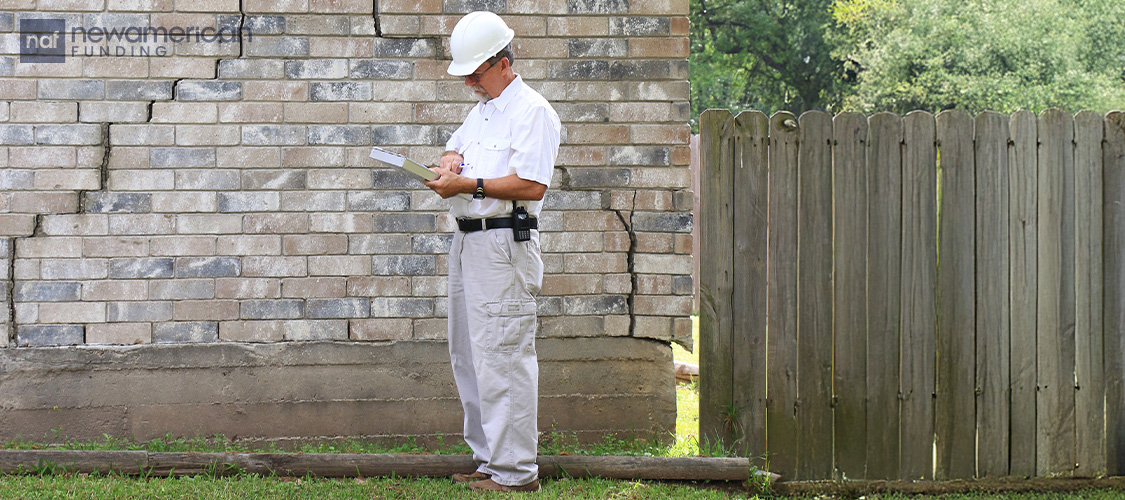
That’s why it’s important to hire a professional home inspector before closing.
“Sometimes a seller will do lipstick renovations just to offload a home with deeper issues,” said Zach Fertig, co-owner of Miami’s Property Leads. “We’ve seen houses with new kitchens and floors, but with foundation issues or illegal additions hidden beneath. If the price seems too good for what you’re getting, always dig deeper than the surface upgrades.”
Buyers should look for structural problems, outdated wiring, foundation cracks, an old or leaking roof, boiler issues, water damage, and mold. These can be expensive problems to fix and may not be immediately obvious from photos or even a quick walk-through.
“Remember, structural issues like foundation cracks, a compromised roof, or outdated electrical and plumbing systems will require tens of thousands of dollars to repair,” added Blake.
Always plan for a thorough home inspection. If the seller discourages that step or limits access, walk away.
Research the home’s location and insurance
Some homes may be in neighborhoods with limited amenities or schools with poor ratings, which can impact their long-term resale value.
Even something like the position of the home—facing a busy intersection, next to a loud business, or under power lines—can drag down the price. So, before falling for the low price, explore the area in person.
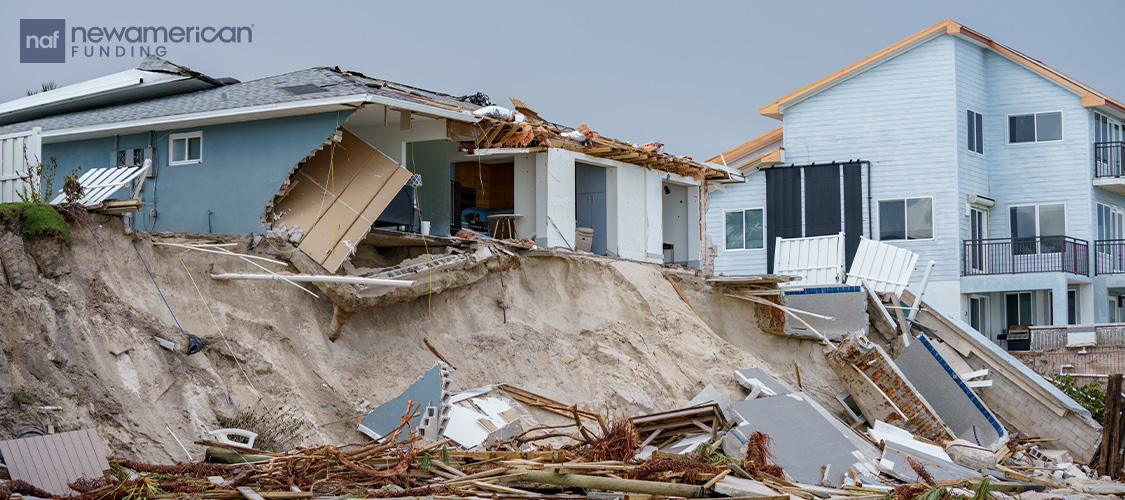
Other bargain homes may be located in red flag areas. This can be in hurricane-prone communities, wildfire corridors, or flood zones that require expensive home insurance.
Also, compare property taxes. Taxes can differ wildly from town to town. It’s also good to see how much they may go up after a home is purchase.
Sometimes, property taxes reset to the sale price of the home or after repairs are made. So, if a home has been owned for many years and then you purchase it for a much higher sale price, your property taxes could jump.
“I’ve seen buyers purchase a cheap home, only to be blindsided by flood insurance quotes of $4,000 to $6,000 annually,” said Max Coupland, CEO of Insuranceopedia.com. “Before buying a ‘cheap’ home, run a quick insurance quote check and ask your agent about coverage restrictions. That alone can reveal hidden risks most buyers miss—saving you thousands in surprise costs down the line.”
Awkward home layouts abound
Low-priced homes sometimes come with unusual floor plans that don’t work well in everyday life.
Examples include bedrooms that open directly into the kitchen, bathrooms located in basements, or living spaces carved out of converted garages or illegal basements.
These layouts are not always easy to modify. Demolishing walls or rerouting plumbing can raise costs and may even necessitate zoning approval.
Even if you can tolerate a strange layout now, consider carefully how it may affect resale value in the future.
Always check financing before buying a home

Some homes are listed at low prices because they don’t qualify for traditional mortgages.
Lenders require properties to meet specific livability standards. That means the roof must be intact, the heating and plumbing systems must be functional, and there must be no significant safety issues present.
If the home doesn’t meet those criteria, it won’t qualify for a Conventional loan—or even government-backed options like Federal Housing Administration (FHA) and the U.S. Department of Veterans Affairs (VA), to name a few.
Renovation loans are an option if a home needs repairs, but they come with stricter requirements and a longer processing times.
Beware of legal red tape
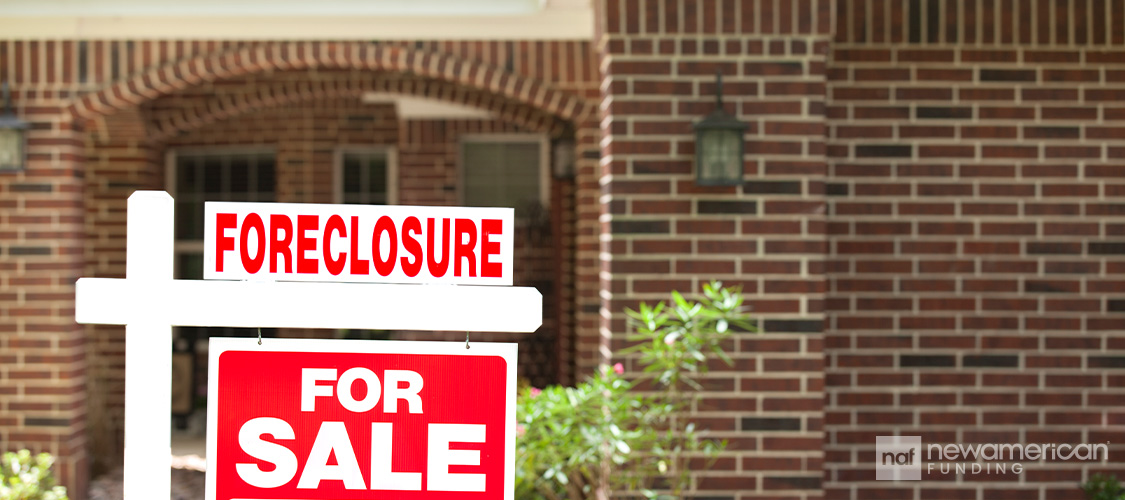
Low-priced homes sometimes come with a ton of baggage like unresolved title issues, unpaid property taxes, liens, or disputes over ownership. Others may have been part of a foreclosure or estate sale, which can slow down the process or introduce additional red tape.
“These issues are expensive and time-consuming to correct through the courts,” said Mike Aziz, co-owner of M1 Home Buyers in Detroit, Mich. “Always conduct a complete title search.”
This can protect you from someone else showing up out of the blue claiming they own the home.
Even if the property looks fine on the surface, it’s worth having a real estate attorney review the listing if anything seems unclear.
Author




 Smart Moves Start Here.