Homebuyers
Still Waiting to Buy a Home? These Popular Excuses Might Be Hurting You
August 13, 2025
If you’ve been thinking about buying a home but haven’t made the leap, you probably have your reasons—lots of them. Maybe you’re waiting for a lower mortgage interest rate or the perfect home at the right price.
These hesitations may seem logical at first glance. But this mindset may prevent buyers from building wealth through homeownership, according to real estate professionals.
Instead, would-be homeowners may wind up paying their landlords instead of building equity in their own homes. And there’s no guarantee that home prices and mortgage rates will be lower by the time you’re ready to jump into the market.
“There is so much misinformation and a lack of adequate information for buyers out there that they end up suffering from decision inertia,” said Michelle Mumoli, a real estate broker at The Mumoli Collective at Compass in Jersey City, N.J. “[This] then leads them to remain in the status quo.”
Here’s a closer look at some of the most common homebuying excuses—and why they may be holding you back more than you think.
1. I’ll buy a home when my career is further along or I get a raise.
Waiting until you’ve climbed a rung or two up the career ladder may seem financially prudent. But the real estate market isn’t going to hit pause while you build your résumé.
“While potential buyers procrastinate and make excuses, savvy buyers take action, following the market and investigating different angles of buying strategy,” said real estate broker Gerard Splendore of New York’s Coldwell Banker Warburg.
If you qualify for a mortgage now—even with a moderate salary—it may be smarter to get into the market and start building equity.
Buying earlier may allow you to take advantage of rising home values over time, instead of being priced out later.
“In many cases, you can afford more than you think,” said Splendore. “And if your career does take off, you can always upgrade down the road.”
2. Homeownership comes with too much responsibility.
Over on the “Why shouldn’t I buy a house?” thread on Reddit, users are rightly concerned about the real responsibilities of homeownership.
“When I first bought my house, every weekend was occupied by something, gardening, mowing, power washing, fixing things that break, etc.,” said one Reddit user.
Indeed, replacing a roof, upgrading wiring, and the like are what Splendore called “decidedly unglamorous expenses.”
But they come with long-term benefits renters don’t generally get to receive.
As the Reddit user went on to say, “I would still highly recommend buying a home. It’s nice to have a place that is “yours” and the equity for the most part is always increasing.”
3. I’ll wait to buy a home until I’m in a committed relationship.

Buying a home with a partner may lead to stronger combined financials and perhaps a larger maintenance budget if you both are contributing to the costs. But don’t let your relationship status define your financial timeline.
The truth is solo buyers are becoming more common.
In 2024, 18% of homebuyers in 2024 were single women, and 9% were single men, according to the National Association of Realtors.
There are plenty of creative ways to buy on your own work, including starting with a smaller condo or tapping into down payment assistance programs.
4. I need to pay off all my debt before I buy a home.
Student loans, car payments, credit cards—they’re all part of life for many people. But they don’t necessarily disqualify you from purchasing a home.
What lenders care about most is your debt-to-income ratio (DTI). That means even if you’re carrying debt, if your income supports your monthly obligations (including the mortgage), you many still qualify.
Many first-time buyer programs, including FHA loans, are designed to help borrowers with fair credit and manageable debt levels get into a home sooner rather than later.
5. I’m holding out for the ‘perfect’ home.
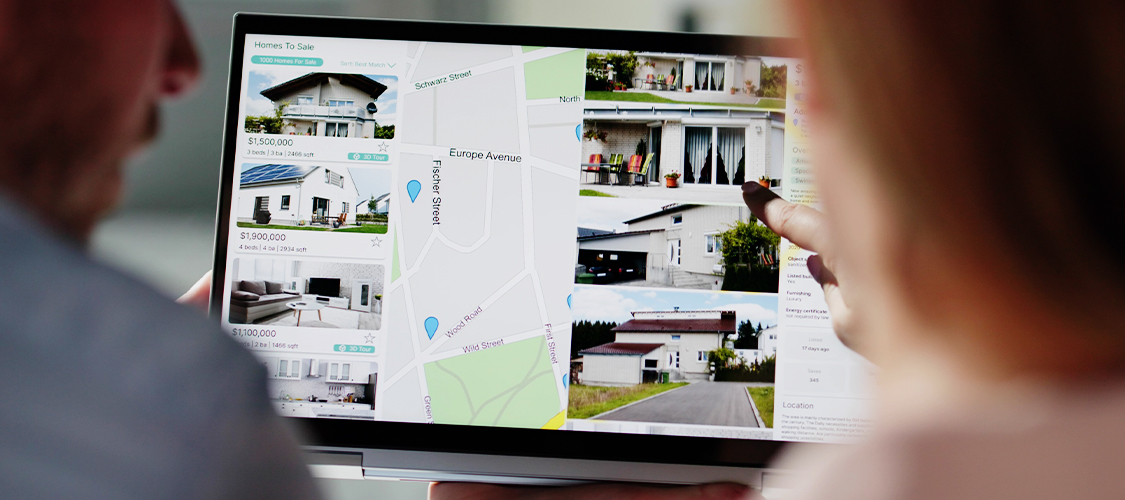
This one’s the real estate equivalent of waiting to find a unicorn.
Buyers can get stuck in an endless cycle of “almosts”—homes that are close, but not quite perfect. The result? They stay on the sidelines while prices inch upward and housing stock shifts.
Instead of perfection, focus on potential. Can you grow into the home? Update it over time? Build equity and upgrade in a few years?
6. I’ll wait for mortgage interest rates to drop before I buy a home.
Yes, mortgage rates are higher than they were a few years ago. But waiting for rates to come down is like trying to time the stock market—it’s unpredictable.
Even if rates fall slightly, a flood of buyers could re-enter the market, pushing prices back up and creating more competition.
Buying now could give you the benefit of more inventory, more negotiating power, and the chance to refinance later if rates fall.
“I know family members who have rented modest apartments for more than 20 years, spending more than $200,000 in rent,” said Splendore. “If they were to need cash for an emergency, they do not have the ability to obtain a HELOC or home equity loan.”
7. I’ll buy a home when home prices come down.
“I mean, the biggest reason not to buy a house is not being able to afford it,” said on Reddit user. “I can’t.”
That sentiment sums up how many would-be buyers are feeling today as homeownership has become harder to reach financially. While the market has cooled slightly in some places, home prices in most areas have stabilized but not plunged.
Rather than waiting for a dramatic dip, it may be smarter to focus on what you can afford right now, and the incentives are out there—like seller-paid closing costs.
Splendore also encouraged buyers to think outside the box, especially in high-cost markets.
“One strategy I encourage is to buy a two-family home with a stable, longstanding tenant in place,” said Splendore. “The rental income from the tenant paid one-half of our mortgage and helped finance my children’s tuition.”
Teaming up with friends or family to co-buy a home can also be a viable—and increasingly common—way to pool resources.
Author



 Smart Moves Start Here.