
Homebuyers
Love at First Showing? How To Tell If That Home Is Really Right for You
February 12, 2026
Shopping for a new home can be a lot like falling in love. You swipe through listing photos and get butterflies in your stomach imagining what it would be like to move in.
When you attend that open house, the home has generally been thoroughly cleaned, impeccably staged, and shown in the best possible light. The problem is the home could have literal skeletons in the closet...or mold, cracks in the walls, and pest infestations.
That’s why it’s important to do your look for red flags before making a long-term commitment.
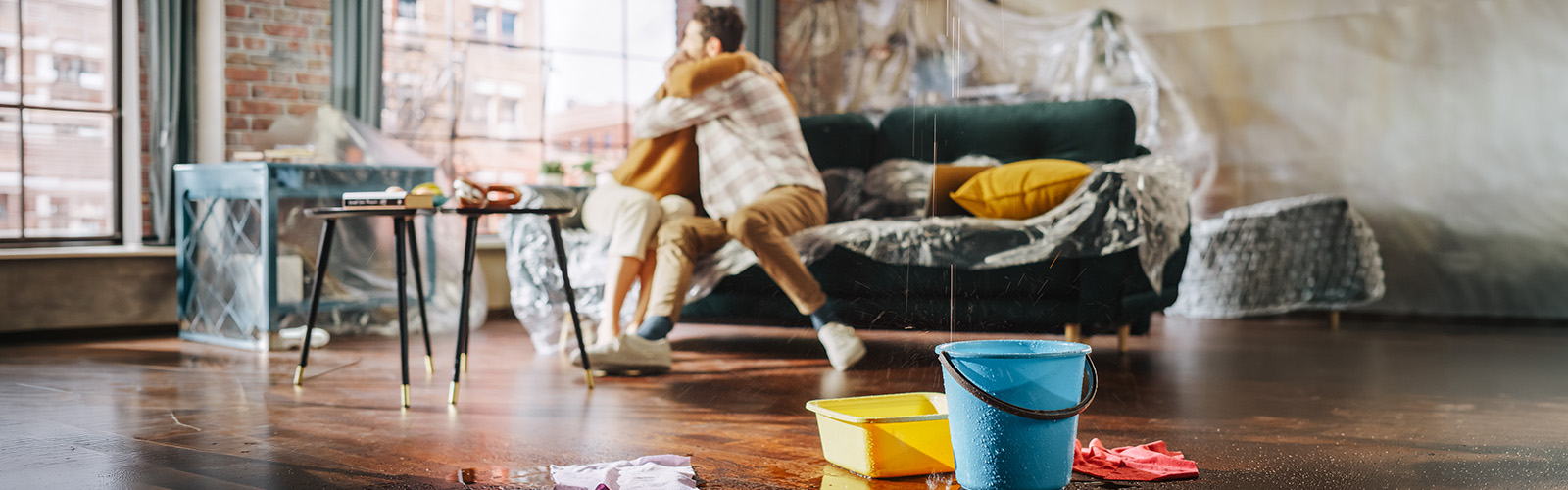
Real estate agent John Gluch once had clients who purchased a newly renovated home. They were in the home for six months before discovering new flooring had been laid over rot and mold caused by a leak in the slab.
“The client ended up having to gut the entire first floor while living in a hotel with two toddlers,” said Gluch of eXp Realty in Scottsdale, Ariz. “It cost them $60,000 out of pocket because the seller had vanished, and the insurance company called it pre-existing neglect.”
To avoid expensive issues like these, it’s important to take it slow and do your due diligence before making an offer. Below are some things to watch out for so you don’t wind up with regrets.
Run all the numbers before making an offer on a home
When buying a home, it’s important to look beyond the listing price to figure out if you can really afford the home. You want to factor in closing costs as well as property taxes, estimated insurance bills, homeowner association (HOA) fees, and utility and maintenance costs.
A home may tick all the boxes. But if it doesn’t comfortably fit into your budget, it may not be right for you.
“The real stuff you need to worry about, you’re not going to see on Zillow,” said Ryann Brier, real estate agent at City Lights Home Buyers in Grand Rapids, Mich. “You need to do your own independent research to find out the cost of things like utilities, insurance, HOA fees, special assessments, and anything else that could jump out at you,”
You can prevent getting in over your head by doing thorough research ahead of time and ensuring you’ll have a healthy buffer built into your budget.
Check for hidden problems in the home
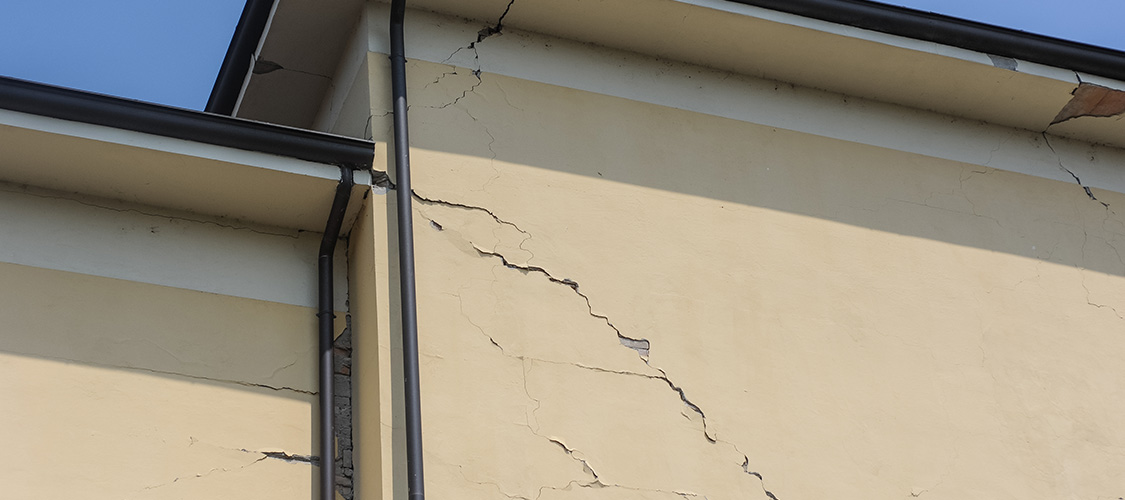
Before deciding you’ve found “the one,” you should have a home inspection. You may even want to get a second or third opinion.
The inspection aims to assess the property’s condition and identify any safety issues, structural issues, or necessary repairs. This could include foundation cracks, visible issues with the roof, or other costly problems.
If the inspection uncovers issues, you’ll need to get quotes to understand the remediation costs. From there, you may want to renegotiate with the seller to make the repairs or lower the price and see if the purchase still makes sense or if you want to walk away.
Gluch generally recommends paying extra attention to “The Big Four.” These include the roof, heating and air conditioning systems, plumbing, and electrical systems.
“If two of these are near the end of their life, you’re not buying a home. You’re buying a massive bill,” Gluch said.
He also advised watching out for structural/foundation issues, damp air, unpermitted rooms or additions, as well as Febreeze, air fresheners, or candles that could be masking problems.
You’re buying the neighborhood as well as the home
The local community and the neighbors can also make or break a home purchase. Like a romantic partner’s family and friends, you’re about to be stuck with them for the long haul.
Gluch recommends performing a neighborhood vibe check.
“Visit the house at 10 p.m. on a Friday and 7 a.m. on a Monday,” he said. “Does the quiet street turn into a drag strip or a parking lot for a nearby school?”
Consider factors such as whether the area feels safe, the noise and activity levels, parking, walkability, and family-friendliness.
You can also knock on a few neighbors’ doors and introduce yourself to get a feel for what it would be like to live there.
Can this home meet your needs?
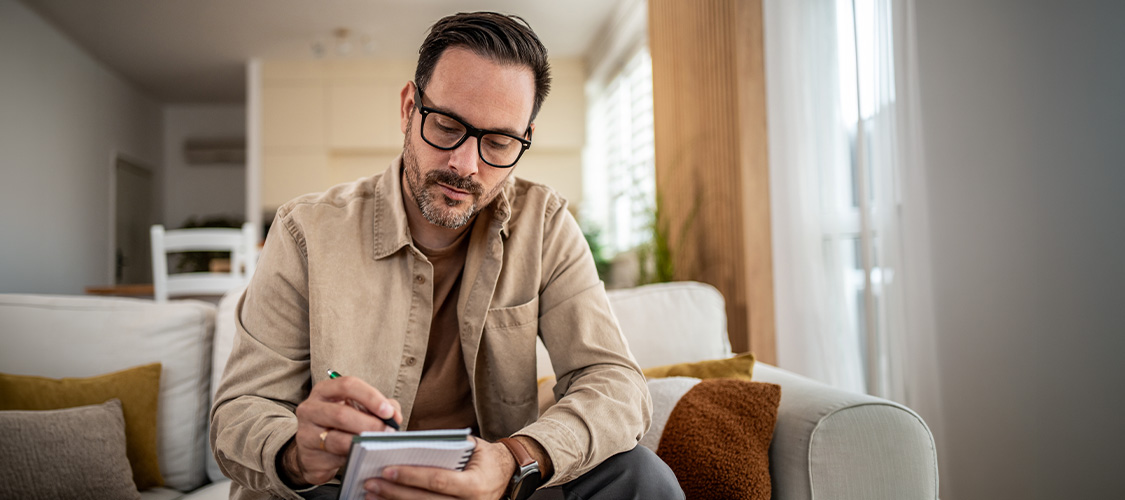
Lastly, review your list of must-haves and nice-to-haves.
For example, is the home big enough for a growing family? Does it have the backyard you’ve always wanted? Is it close enough to your office? How’s the school district?
Everyone’s criteria will be different. But it helps to have lists that you can check to ensure you’re making the right decision.
To buy or not to buy the home?
Your first instinct about a home being “the one” may end up being right in the end.
However, there are serious risks involved. So, it may be wise to slow down and make sure this home is really right for you. You don’t want to end up in a situation that’s expensive to get out of in the future.
Author




 Smart Moves Start Here.