

Homebuyers
House Hacking: How to Buy a Home and Have Someone Else Pay Your Mortgage
October 29, 2025
Roommates aren’t just for college students or young singles living in expensive cities. If you’ve been wanting to become a homeowner but don’t know if you can afford the monthly mortgage payments, you may be able to buy a home, live in it—and have someone else pay for it.
House hacking typically involves buying a single-family home and either sharing it with roommates or purchasing a multifamily, like a duplex or triplex, and living in one unit while renting out the others. It can also include adding an accessory dwelling unit (ADU) on your land, such as a cottage, and listing it for rent.
Each strategy requires some sacrifices, but the financial benefits may far outweigh the costs.
“The biggest expense in your life monthly is your [housing] expense. So, if you can get that covered, it’s incredibly powerful. Plus, you’re building equity in the same breath,” said Steph Douglass, co-founder of Open House Austin in Texas. “We’ve had a big push in people interested in house hacking and all the different ways to do it.”
House Hacking 101
House hacking isn’t a one-size fits all strategy. There are several ways to subsidize your mortgage with renters, with varying degrees of sacrificing your personal space.
Just make sure to ask yourself one big question before you house hack into homeownership: do you want to become a landlord?
You will need to budget for maintenance, vacancy periods, and how you’ll handle background checks, property management, and tenant disputes.
Buying a multifamily home to save money
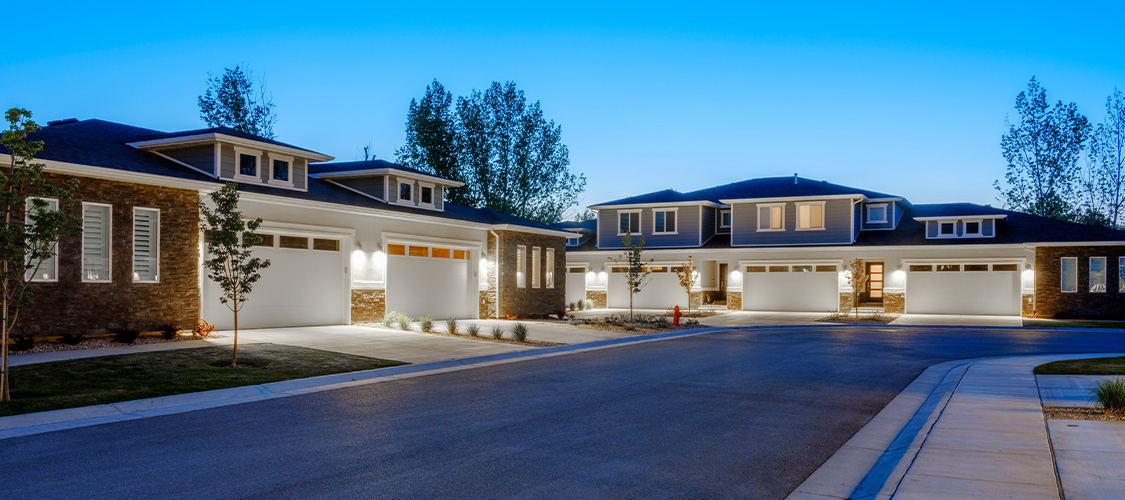
One of the easiest ways to house hack, with the least amount of shared space, is to buy a multifamily home. This can be a duplex, a triplex, or even an apartment building.
These homes have individual living spaces, so you’re not stuck sharing a kitchen or bathroom with a tenant. However, prices are generally higher since there is more than one unit.
They can also come with more maintenance issues since they are commonly used as rentals.
Owning multiple dwellings also carries the risk of multiple major home repairs at once.
“If you own a triplex or quadplex, the cost of maintenance goes up,” said Douglass. “You’re potentially maintaining four different kitchens. If four stoves go out, you’re replacing four stoves at once.”
Create a “sneaky duplex” to help pay your mortgage
Creative homebuyers may want to create a “sneaky duplex” to help cover their housing costs. Rather than purchasing a two-unit home, you may be able to section off a primary bedroom and bathroom and add an exterior entrance.
Sneaky duplexes typically don’t have kitchens. So, they may not be suitable for long-term renting situations. But they are often perfect for short-term rentals, without giving guests access to your main dwelling.
Just make sure short-term rentals, such as Airbnbs, are allowed in your community. Be aware that local zoning and short-term rental laws may change. And realize that hosting is work, especially if you have a problematic guest.
Many cities have banned short-term rentals when the owner is not living in the unit to prevent investors from buying homes in neighborhoods and forcing out residents. So, this may offer homeowners a way to leverage their space while still following the rules.
“It’s a much more approachable way to earn and preserve your privacy and not have to have a roommate,” said Douglas.
Add an ADU or cottage to your property to earn extra income
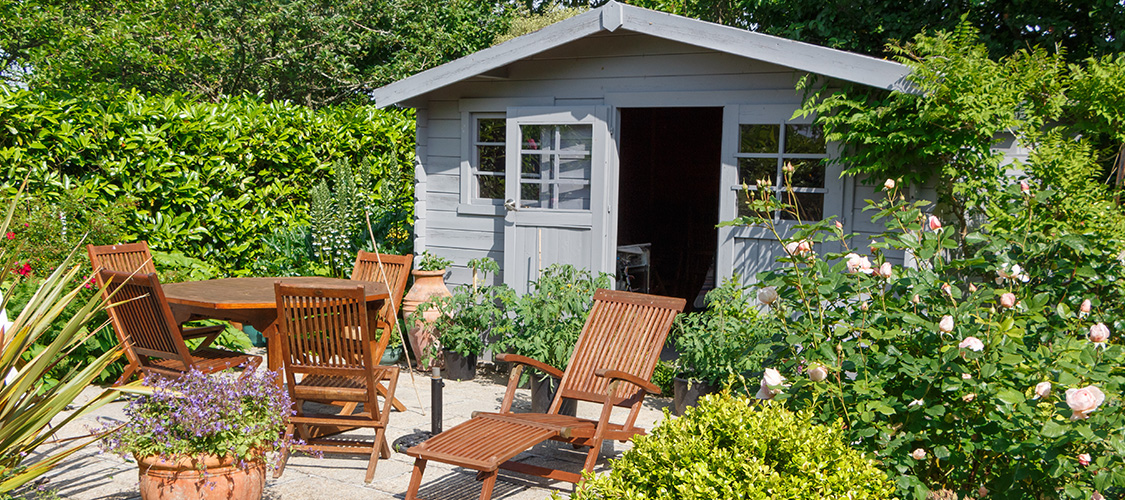
If you have a large enough yard and local zoning allows it, consider adding an ADU or cottage to your property. You can rent it out full-time or on a short-term basis and pocket the extra income.
The qualifications for an ADU vary from city to city, but could include tiny homes, she-sheds, carriage houses, or cottages. Depending on your city, they may include kitchens and bathrooms, but many places don’t require them.
Douglass said ADUs offer the most privacy because there are no shared walls. However, the initial cost may be higher depending on what you build. Depending on the amenities offered, you may be able to charge more for rent.
If building an ADU is beyond your budget, some enterprising homeowners will rent out the use of their land or yard to people looking for a place to park a tiny home or trailer if local laws permit this.
Get a roommate (or two) to help with the bills
One popular way to offset your monthly mortgage payments, and even help with the utility and other housing bills, is to live with a roommate. But this option can come with its own set of issues.
Most roommate situations will involve sharing common spaces, like living rooms, kitchens, and bathrooms. That makes finding someone you’re compatible with essential. You don’t want to be stuck with someone who eats all your food, doesn’t flush the toilet, and blasts loud music at all hours.
Douglass recommended drafting a legal document to establish policies, payment terms, and the terms for ending the lease. That can be particularly important if you’re living with friends, as proper documentation can prevent hurt feelings if the situation changes.
How to qualify for a mortgage to house hack

However you choose to house hack, you may still need to qualify for a mortgage. Fortunately, you may be able to use a residential mortgage, even if you intend to split the property up and rent another unit out.
Multi-unit homes typically qualify for residential mortgages as long as there are four units or fewer. However, you may need to make a larger down payment on these properties.
Rental income can be used to qualify for a mortgage, according to Fannie Mae. To qualify, borrowers must establish that the rental income will continue. You must also show it comes from a two- to four-unit principal residence where the owner lives in one of the units, or a single-unit home with an ADU where only the ADU generates rental income.
Income from roommate agreements may only count if you have lived with the roommate for a year before the home purchase.
Author




 Smart Moves Start Here.