Homebuyers
Home Price Cuts: How to Find Properties with Price Cuts and Negotiate an Even Better Deal
April 7, 2026
Many homebuyers have been waiting for home prices or mortgage rates to drop before jumping into the housing market.
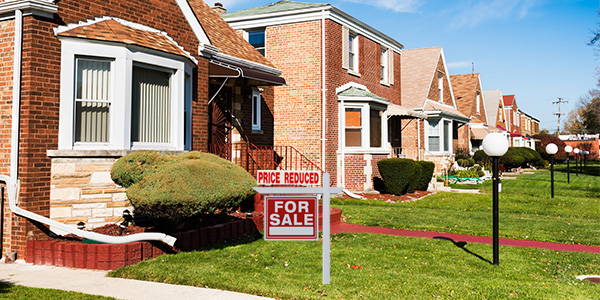
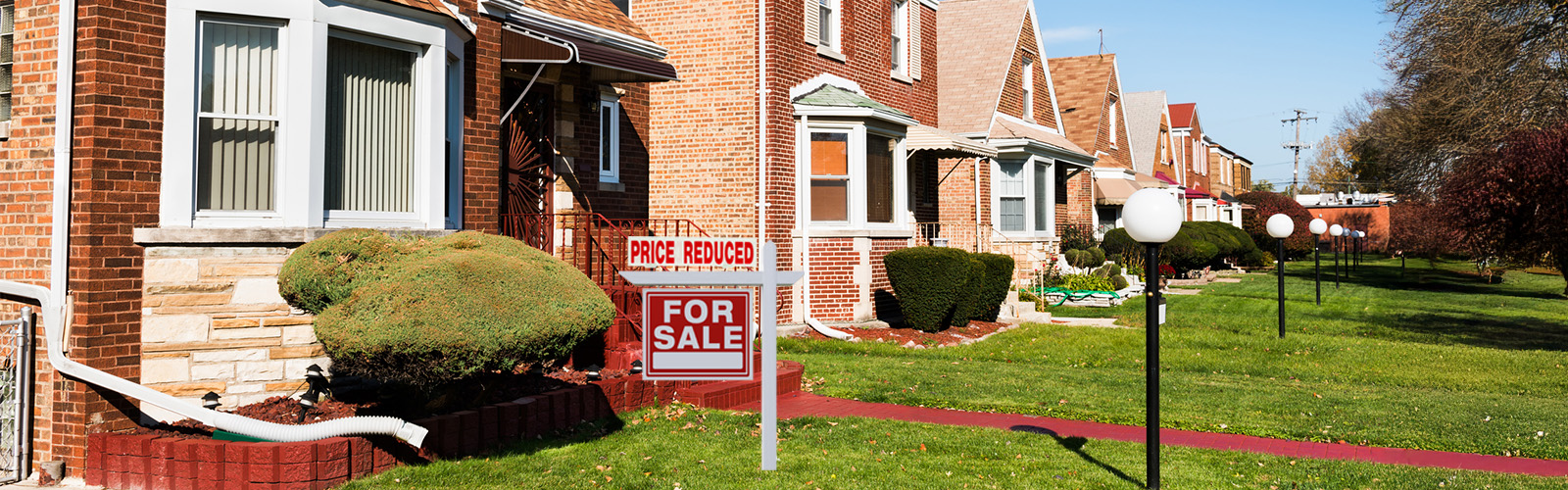
But even in a pricey market, homebuyers may still be able to find deals. There are plenty of properties for sale that have undergone a price cut or even multiple reductions. Buyers who focus on these homes may even be able to negotiate further for additional savings.
“Sellers cut their prices because the home isn’t getting enough traction,” said Mike Bruce, a Denver-area real estate agent and owner of Bruce Homes Colorado. Lowering the price may attract buyers and help get a sale across the finish line.
For buyers who know how to find homes with price cuts, the savings may be substantial.
What does it mean when a home has a price cut?
Don’t assume a price cut automatically means something is wrong with the property. It typically means the initial price was too high or the local market changed and the seller didn’t adjust quickly enough.
“We see it most often when a home has been sitting for a few weeks with no offers or low showings,” said Bruce. “It can also be driven by timing, like if a seller needs to move and they can’t wait. They’ll cut prices.”
Sometimes, however, price drops can be a red flag.
“If you are seeing multiple price cuts or a big drop, then this can be a flag for deeper issues,” Bruce added.
Those deeper issues could range from problems found during the home inspection to an undesirable location or layout that turns buyers away.
The bottom line is a small price cut is common, but multiple big cuts may justify taking a closer look before making an offer.
How to find homes with price cuts

Fortunately, finding good deals is relatively easy. Most major real estate platforms display a property’s full price history. This allows you to see every price adjustment since the home first hit the market.
Also, pay attention to how long the home has been on the market. A home that has been listed for several weeks with one or more reductions may be a sign the seller is ready to negotiate.
Many listing portals let you set alerts for price drops in your target areas. That way, you may be among the first to know when a home you’ve been watching becomes more affordable.
Can you negotiate an even bigger price cut on a home?
Once a seller has already dropped the price, it may be possible to negotiate to bring the price down even further.
“A price cut shows already that the seller is open to adjusting the price. It doesn’t mean that you can lowball them, but there is room for well-supported negotiation,” Bruce said.
For example, homes that are more affordable, have strong curb appeal, and are in a desirable location typically don’t sit for long, especially after a price reduction. In this case, pushing too hard on price could backfire.
“Sometimes the win is getting the [home],”said Robert Thompson, a real estate agent at Legacy Group International in Chesapeake, Va. “Pushing for more can make the seller stand firm or take a different offer.”
Other ways to save if the sellers won’t cut the price further

If the seller won’t continue to lower the price of the home, you may still be able to negotiate concessions that may reduce your overall costs. People selling their homes, as well as builders, may be willing to offer these money-saving perks.
When there are no other offers, you might ask the seller to cover some of your closing costs. This could potentially save you thousands of dollars.
You may also ask for a temporary mortgage rate buydown, which would lower your housing payments for the first few years. If the seller paid for a 2-1 buydown, you would get a mortgage at current interest rates. In your first year, the rate would be two percentage points lower than the contract rate. The next year, it would be one percentage point lower. Then it would adjust to the contract rate for the remainder of the loan.
Some builders may even offer buydowns for the full duration of a 30-year, fixed-rate loan. This could significantly reduce your monthly payments.
Buyers may also want to ask for warranties in case something breaks, as well as repairs and replacements after the home inspection.
“There’s a lot that buyers can negotiate,” said Bruce. “These negotiations can be just as valuable as a lower price.”
Author



 Smart Moves Start Here.