
Homebuyers
Buying a Home in the Digital Age with Hybrid Appraisals and Remote Closings
July 25, 2025
The increasing influence of artificial intelligence and other forms of technology on daily life is one of the most buzzed about topics of our time. Daily tasks are being tackled more efficiently with each passing day—including homebuying.
Newer processes, like hybrid home appraisals and remote closings, can speed up the homebuying process. They can also often lower costs, a big benefit for buyers trying to save some money.
“The adoption of hybrid appraisals and remote closings is transforming the homebuying process by making it faster, more efficient, more accessible, and more automated,” said Los Gatos, Calif.-based Realtor Alexander Kalla of Keller Williams Bay Area Estates. “These innovations allow transactions to move forward with less delays, lower costs, and greater flexibility for everyone involved.”
Additionally, as of 2025, both Fannie Mae and Freddie Mac, the government-sponsored enterprises that purchase mortgages, have updated their policies to allow the use of hybrid appraisals.
But what exactly is a hybrid appraisal? Or a remote closing, for that matter? Here’s what you need to know.
What are hybrid home appraisals?

Historically, home appraisals were done by a state-credentialed real estate appraiser visiting a home to conduct a physical inspection to figure out the value of a property. This protects the buyer, and their lender, from overpaying.
Typically, the lender providing the mortgage to the buyer orders the appraisal.
A hybrid appraisal is when a third-party inspector or other professional does this legwork and feeds the property’s information and images of the home to the licensed appraiser. The appraiser uses this information, along with online research and market analysis, to figure out how much the home is worth.
"Neither the appraiser, nor anyone affiliated with the appraiser, inspects the property, so they are preparing the appraisal sight-unseen," said Bill Garber, director of communications and marketing for the Appraisal Institute.
While this new approach is commonly called a hybrid appraisal, it is sometimes known as a "desktop appraisal" or a bifurcated appraisal.
The benefits of hybrid home appraisals

The potential benefits of hybrid appraisals for homebuyers include saving time and saving money.
Since hybrid appraisals reduce the need for an in-person inspection by a credentialed appraiser, they may cost less.
A traditional appraisal costs an average $358 in 2025, according to Angi, which connects home professionals and customers. The exact cost is generally based on where someone is located, the size of the home, and other factors.
Kalla said hybrid appraisals can be cheaper.
However, not all experts agree that there’s any savings. Garber said the organization has yet to see evidence of reduced costs.
The other benefit of hybrid appraisals is the faster turnaround time, which can be especially helpful during busy homebuying seasons.
“Hybrid appraisals can be completed more quickly than traditional appraisals because appraisers focus on analysis rather than scheduling bottlenecks and fieldwork, and home inspectors can often schedule visits faster,” said Kalla.
The downsides to hybrid home appraisals
There are some drawbacks to hybrid appraisals to consider, as well.
For instance, there are cases when the appraisal fee could be higher if a property is particularly complex and requires more in-depth research, said Anila Whitney, a senior mortgage advisor for New American Funding based in Tustin, Calif.
Similarly, if a property needs repairs and the appraiser is required to return to the site for a follow-up visit, it could reduce any potential savings associated with a hybrid appraisal.
And those aren't the only potential drawbacks.
"Hybrid appraisal reports may not be as accurate as traditional appraisals, due to the shortened timespan to complete them and less investigation required versus the traditional appraisal," said Whitney.
What is a remote closing?
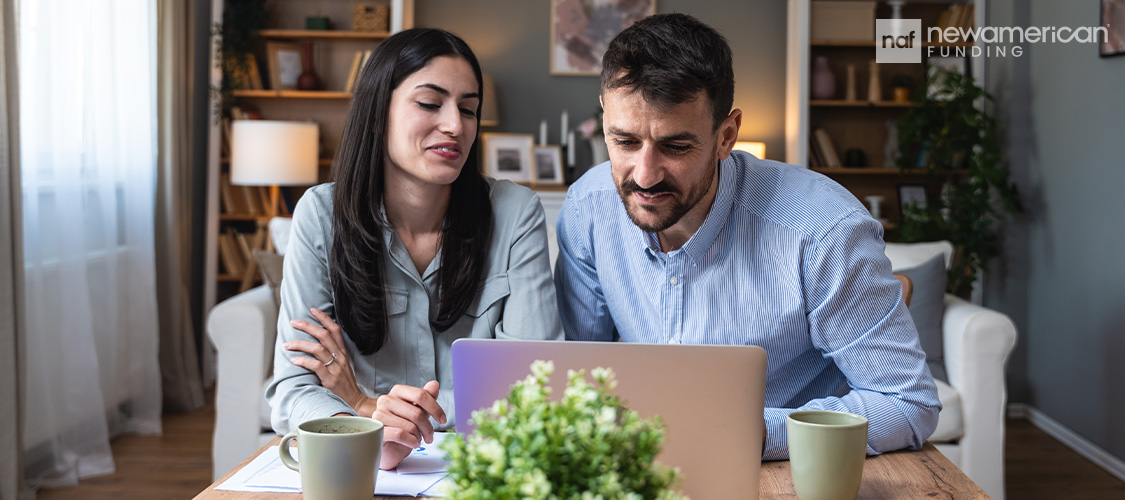
Remote closings, sometimes called eClosings or virtual closings, are another increasingly popular development in the homebuying world. Like hybrid appraisals, they offer a potentially faster homebuying timeline.
In contrast to a traditional closing, which has historically involved driving to an office, providing your identification, signing a stack of documents, and turning over a check for closing costs, a remote closing allows the process to largely be completed online using a laptop, tablet, or even a smartphone.
"The remote, or virtual closing as it is also known, verifies the borrower’s identity electronically, using video conferencing. A remote online notary is also utilized," said Whitney.
In addition, electronic funds transfers are typically used in remote closings rather than the homebuyer bringing a check to a closing meeting.
There are also hybrid or partial e-closings, in which some of the process takes place electronically, but you’re still required to meet with a notary to finalize signatures on some documents.
The availability of fully digital e-closings varies across the country, in large part because not all states have made remote online notarization legal. The four states that do not allow this process are South Carolina, Georgia, Alabama, and Mississippi, according to the latest available data from the National Notary Association.
Benefits and drawbacks of remote closings
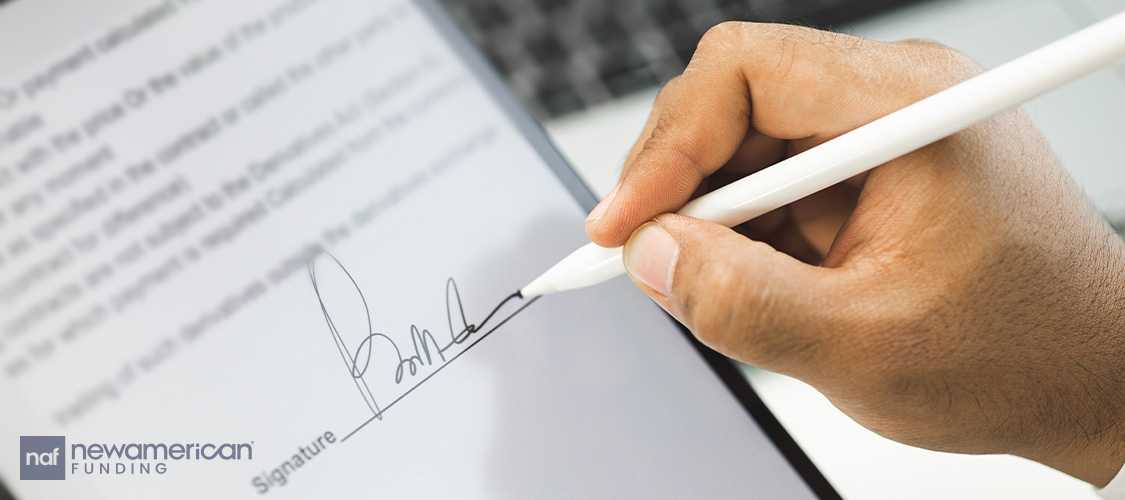
Remote closings have several benefits, most notably that they allow for far more flexibility and convenience for those involved. There is also some potential cost savings associated with this approach.
For homebuyers, it eliminates commute time and costs associated with driving somewhere for a closing meeting. And for the industry officials involved, it can eliminate the need to rent an office space.
"It just requires an internet connection,” said Whitney. “Signers can be spread out geographically and still be enabled to sign and close without needing to congregate in one location.”
Additionally, since remote closings rely on processing documents electronically, errors may be reduced, including missing signatures. Electronic access to closing documents can also allow borrowers to review paperwork ahead of closing day.
The drawbacks of remote closings are relatively minimal. There's the potential for a technology glitch that could impact a closing when relying on internet connections to facilitate the process. Digital transactions generally require hack-proof cybersecurity measures to protect sensitive financial and personal information.
There’s also reduced personal interaction and the lack of a face-to-face meeting, which can sometimes make it harder to address any last-minute questions or concerns.
These potential issues aside, remote closings are yet another way technology is improving the homebuying process.
“Remote closings allow buyers and sellers to complete transactions from anywhere, expanding opportunities and reducing logistical issues,” Kalla said. “These changes are driving the real estate industry toward a more digital, client experience-centered model.”
Anila Whitney NMLS # 255596
Author




 Smart Moves Start Here.