Homebuyers
Browsing Home Listings Online? Don’t Be Fooled by AI-Doctored Photos
December 3, 2025
As AI changes how we work and live, it’s no surprise that it’s beginning to impact how homes are marketed and sold, too.
Certain uses of AI in real estate can be quite helpful, such as providing personalized home searches and neighborhood analyses. Others, like AI-doctored listing photos, can be frustrating or downright misleading.
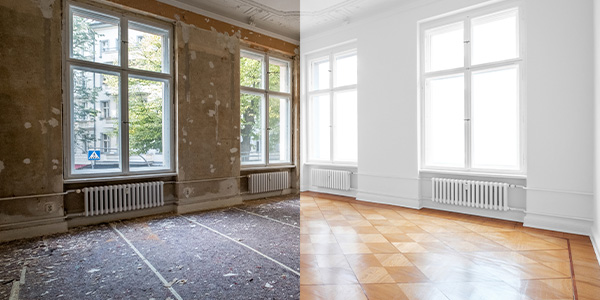
Buyers may see photos online of beautifully updated homes in excellent condition—only to pull up in front of a home with a sagging roof, overgrown landscaping, and generally in need of lots of work. That’s why it’s becoming important to be able to detect AI-doctored photos in online real estate listings.
“AI is streamlining everything from writing property descriptions and analyzing market trends to generating virtual staging images,” said Dan Weisman, director of innovation strategy for National Association of Realtors (NAR) “However, transparency and strong ethical guardrails are essential, particularly around image authenticity.”
There are things you can do as a buyer to protect yourself against fake images. There are also tells to look out for when trying to see if an image is authentic or is AI-generated. Here’s what you need to know.
How homebuyers can spot AI-doctored images
While it’s becoming increasingly difficult to spot AI-altered images, there are still a few tells you may be able to spot in listing photos. One of the best ways to detect a fake is reflections. Many AI programs still struggle to make these more complicated visual effects look correct.
Zoom into windows and mirrors and look for inconsistencies or a warped effect. These could be signs that the image has been doctored.
Another easy tell is features and structures that, quite literally, don’t line up. Floorboards that start and stop at random, mismatched molding, and wonky architectural details can all be indications that the image was changed with the help of AI.
Finally, keep an eye out for anything that looks too perfect. Spotless exteriors, unusually smooth surfaces, and studio-style lighting in every photo aren’t likely to occur in real life. If you notice a few of these too-perfect features, AI (or at least a photo-editing tool) could be the culprit.
How to verify real estate listing photos are real

One of the easiest ways to fact-check exterior listing photos of a home is to look on Google Maps. The Street View feature provides a real-life look of the home from the last few years.
County property databases may be another way to view homes. You can typically search for a home and view a photo of its exterior from the last time property taxes were evaluated.
Scheduling an in-person tour and stepping inside are also crucial for verifying the condition of a home. Plus, it’s difficult to get a sense of what it would be like to live in a property you’ve never visited.
If you live far away, you can contact your real estate agent for a virtual, live tour instead. Don’t rely on pre-made virtual tours, as these can easily be edited, too.
If you like the home enough to place an offer, don’t forget about a crucial step in any homebuying process: the inspection. Inspections are extra important in this world of easy image doctoring, as they can reveal issues that may have been covered up.
Rules and regulations around AI in real estate listings
Unfortunately, there aren’t many rules surrounding the use of AI in real estate photos. However, California will be instituting a law requiring content doctored by AI to be clearly labeled as such starting in 2026. New York and Illinois are considering similar rules.
Real estate agents who are members of NAR must “always act in their clients’ best interests and uphold the NAR Code of Ethics—ensuring honesty, accuracy and compliance in all advertising, marketing and public representations,” said Weisman. “This includes truthful images that do not exaggerate property conditions or mislead consumers.”
Use AI photos as a bargaining chip with home sellers

If you’ve found a home you love but realize the marketing photos were misrepresented by AI-altered images, you may want to negotiate with the seller. You could ask the seller to reduce the price by the amount you would need to pay for making the updates and repairs that were shown in the AI images used to market the home.
For example, a home that AI has given differently colored walls or an updated bathroom could be sold with a credit to the buyer. The buyer could use the savings to repaint or renovate.
Even if there were no major changes in the photos, you may be able to point out that the home looked much cleaner in the photos. Then you may be able to ask for a deep-cleaning service before closing.
Author




 Smart Moves Start Here.