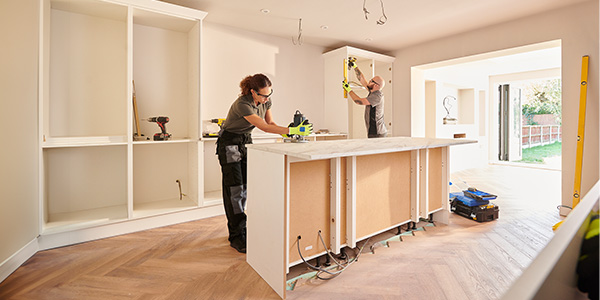

You know the home you want.
We make it happen.
Whether you are looking to purchase a home or upgrade the one you have, it all starts with choosing the right lender and the right home loan.
Welcome to ADU loans! Do you want to add an Accessory Dwelling Unit (ADU) to your property, like a tiny house or a basement apartment? An ADU loan can help you add or convert a space on your property into a secondary home.
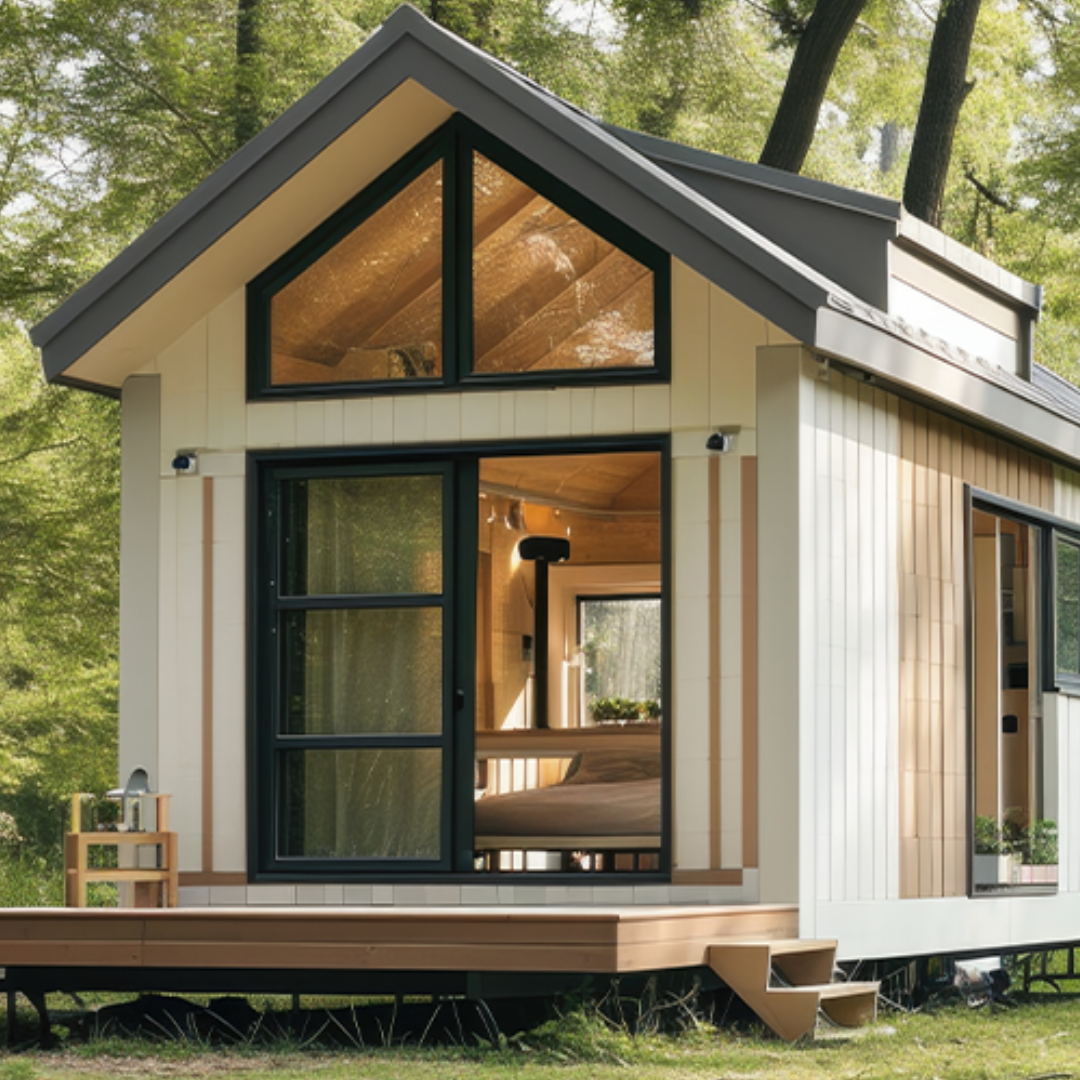

Adding an ADU can significantly increase your home’s value.

An ADU can be rented out as an extra income source.

Use an ADU to house aging parents, friends, or adult children.
Different types of financing available for your ADU.
Follow some simple steps to prepare to apply for an ADU loan online today

Generally, you’ll need a minimum credit score of 620+, a debt-to-income ratio (DTI) of 43% or less, and a minimum amount of home equity, usually 15%-20%.

A building or conversion has specific requirements to be considered an ADU, including its own entrance, a kitchen, a place to sleep, and a bathroom.

Gather your needed documents like identification, income information like W-2s, and credit and debt reports to finalize your application.
If you think an ADU loan may be right for your needs, apply today. Or, if you have questions about this, or any of our loan types, talk to one of our loan officers. They’ll be happy to help you on your journey to homeownership.
Ask about our ADU loan options

Licensed in all 50 States + Washington D.C. and Puerto Rico

Easy online application process and borrower portal
Property qualification for an ADU depends heavily on local zoning ordinances, building codes, and the size and characteristics of your lot. Lenders will also assess the property's current value and the projected value with the ADU. It's essential to consult with your local planning department and a qualified lender to understand specific requirements for your area.
Yes, many lenders allow you to use the projected rental income from your future ADU to help qualify for the loan. This can significantly increase your borrowing capacity, as it demonstrates a potential revenue stream to offset loan payments. Lenders typically require an appraisal that includes a rental income analysis to verify these projections.
While not always a strict requirement for all ADU loan types, having home equity can be very beneficial for qualification. Loans like Home Equity Lines of Credit (HELOCs) are directly tied to your equity. For Construction loans, the future value of the property with the ADU is often considered, but existing equity can still provide a stronger financial position and better terms.
Credit score requirements for ADU loans vary depending on the lender and the specific loan product. Generally, a good to excellent credit score, typically in the range of 620+ or higher, is preferred to secure favorable interest rates and loan terms. A strong credit history demonstrates financial reliability to lenders.
Absolutely, financing is commonly available for converting existing structures such as garages, basements, or attics into ADUs. This approach can sometimes be more cost-effective than new construction. Lenders will evaluate the scope of the conversion project and its impact on the property's overall value.
A Home Equity Line of Credit (HELOC) is a revolving line of credit based on your home's existing equity, allowing you to borrow funds as needed up to a set limit. In contrast, a Construction loan is typically a short-term loan specifically designed for building projects, with funds disbursed in stages as construction progresses. Construction loans often convert into a permanent mortgage once the ADU is complete, whereas HELOCs use your current equity as collateral.
Yes, certain government-backed loan programs can be utilized for ADU construction or renovation. For example, FHA 203(k) loans are a popular option that allows borrowers to finance both the purchase or refinance of a home and the cost of renovations, including ADUs. These loans often offer more flexible qualification criteria compared to conventional loans.
The timing for starting payments depends on the type of ADU loan you secure. For Construction loans, payments typically begin shortly after the loan closes, though some may offer interest-only payments during the construction phase. If you use a HELOC, payments usually start once you begin drawing funds from the line of credit.
Yes, building an ADU will almost certainly increase your property taxes. The addition of a new structure or a significant improvement to your property increases its overall assessed value. The exact amount of the increase will depend on your local property tax assessment rules and the value added by the ADU.
Yes, some states, counties, and cities offer various grants, low-interest loan programs, or other incentives to encourage ADU construction. These programs are often designed to address housing shortages and promote affordable housing options. Eligibility criteria and available incentives vary significantly by location, so it's best to check with your local housing authority or planning department.
Discover valuable information to help you navigate the world of ADU loans. From understanding the benefits to navigating the application process, our articles cover it all.

September 22, 2025
Whether you are looking to purchase a home or upgrade the one you have, it all starts with choosing the right lender and the right home loan.

Use our mortgage and refinance calculators to help you plan your future today

With more than 417,600+ reviews online, you don't have to just take our word for it. From first-time homebuyers, to veterans, to seasoned investors, NAF is commited to serving our customers on whatever homebuying path they choose.

 Stay one step ahead