
Housing News
How to Brighten Your Home When Daylight Saving Time Ends
October 29, 2026
The hygge trend has taught us to embrace the cozy side of darker days. But cozy is one thing. Feeling like it’s bedtime at 4:30 in the afternoon is another.
When daylight saving time ends, that early sunset can make even a normally bright home suddenly feel dark. Fortunately, homeowners don’t have to spend the next several months under the glare of overhead lights.
Interior designers say some surprising changes can help stretch the daylight you have and make rooms feel brighter after the sun goes down. And they may be able to tap into their home equity to help fund any large changes.
Here are some of their cleverest tricks.
Hang your curtains beyond the window
Curtains can unintentionally block some of the daylight homeowners are trying to capture.
One simple fix is to move the curtain rod up and out of the windows.
“Mount curtain rods a few inches above the window frame and extend them past the window’s edge,” said Carissa Byrne Hebert, owner and lead designer of CBH Interiors in Jersey City, N.J. “It lets in more light and makes the window look bigger.”
She also recommends replacing heavy drapes with sheer or linen-blend curtains that allow light through even when they’re closed.
You can also look around for anything else standing between their windows and the room. Moving a tall chair, bookcase, or other piece of furniture away from a window may allow more daylight to reach the space.
Don’t automatically reach for white paint
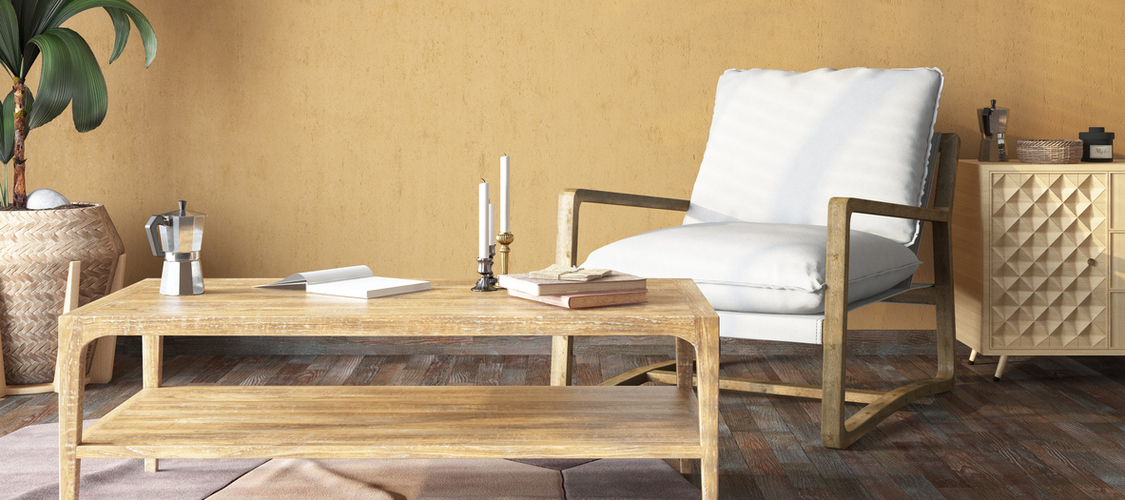
Painting a dark room bright white may sound like the obvious solution. But white isn’t always the color that looks best when daylight becomes weaker.
“When natural light gets darker and grayer in the fall and winter, it can make your walls look more gray,” said Nancy Ruth Deen, a certified color consultant with Afterglow Home Colors. “I like to recommend neutrals with a subtle beige undertone. They won’t necessarily look beige, but they’ll help your home feel warm and inviting, even on overcast days.”
Before repainting an entire room, homeowners should test several samples and look at them in the morning, afternoon, and after sunset. A color that looks one way in strong daylight can look surprisingly different once the lamps come on.
Light the room from more than one level
A bright ceiling fixture can fill a room with light and still leave it feeling flat.
Instead, consider spreading light vertically through the space with a mix of overhead lighting, floor lamps, table lamps, and accent lights.
“Layer three light sources per room, ambient, task, and accent, instead of relying on one overhead fixture,” said Carissa. “Flat lighting can feel gloomy.”
Look down, not just up
One of the more unexpected places to brighten a room is the floor.
A large, dark rug takes up significant visual space. Replacing it with something lighter can change the room's appearance without touching the walls or lighting.
“Light-colored rugs tend to reflect light rather than absorb it, making a room feel more open and spacious,” said Seymen Usta, founder and CEO of Modern Chandelier. “They’re also [easy] to replace. A new rug can change a room in one afternoon.”
Usta also recommends incorporating metallic finishes such as brass, gold, or copper, which can catch and reflect light around a room.
Go big with mirrors
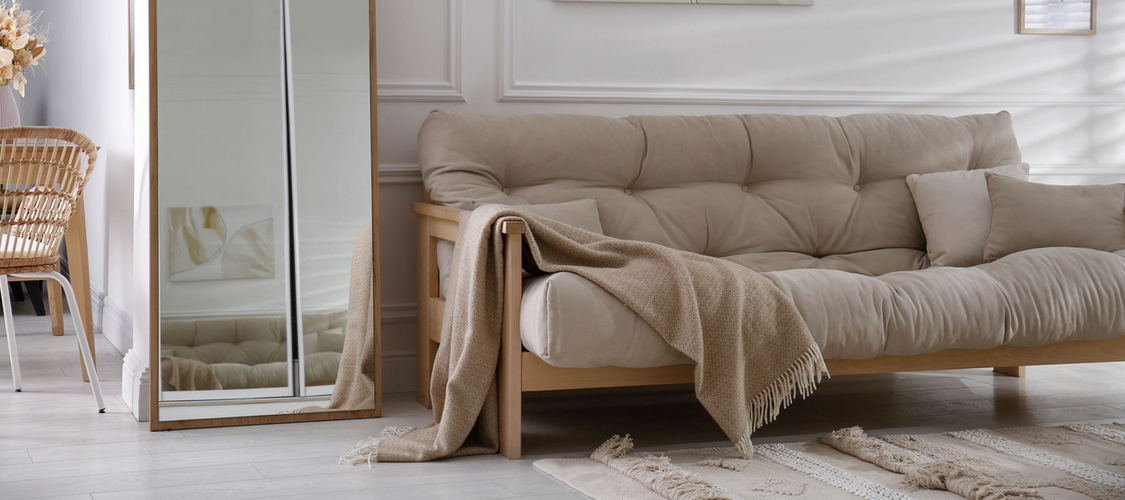
Mirrors can do more than fill an empty wall. Used on a large scale, they can help spread natural light through a room and make darker spaces feel more open.
“Hang a large mirror across from your brightest window to bounce daylight around the room,” said Hebert.
You can take the idea further by using an oversized floor mirror or grouping multiple mirrors across a wall to create a larger reflective surface. In a hallway, entryway, or room with limited windows, a substantial stretch of mirror can capture available light and visually expand the space.
Carissa also suggested leaning an oversized mirror on a console table in a dark hallway or entryway “for instant depth and glow.”
Let light travel between rooms
Sometimes decorating tricks aren’t enough. A room that gets little natural light year-round may benefit from a larger change during a renovation.
“If a renovation calls for making a consistently dark room lighter, there may be opportunities to use interior glass doors or glazed walls,” said Swati Goorha, principal interior designer and founder of New Jersey’s Swati Goorha Designs. “Interior glass doors allow natural light to flow between two spaces while still providing separation.”
Instead of blocking light from an adjoining room, glass can let some of it travel farther into the home.
How to pay for a bigger home renovation project
Projects involving new doors, walls, or other substantial renovations can require a larger budget. Homeowners who have built up equity in their properties may be able to use some of it to help pay for improvements.
A Home Equity Line of Credit (HELOC) is a revolving line of credit that lets homeowners borrow as needed up to an approved limit. This can help when renovation expenses come up at different stages.
A second mortgage can provide funds while leaving the existing first mortgage in place.
Another option is a cash-out refinance. It replaces the existing mortgage with a new, larger mortgage and provides the difference in cash.
The right option will depend on the homeowner’s equity, project, finances, and existing mortgage.
Author




 Stay one step ahead