How to apply for a mortgage
Whether you're a first-time homebuyer or refinancing your current home, understanding the mortgage application process can help you move forward with confidence. Here's everything you need to know about applying for a mortgage.
What is a mortgage application?
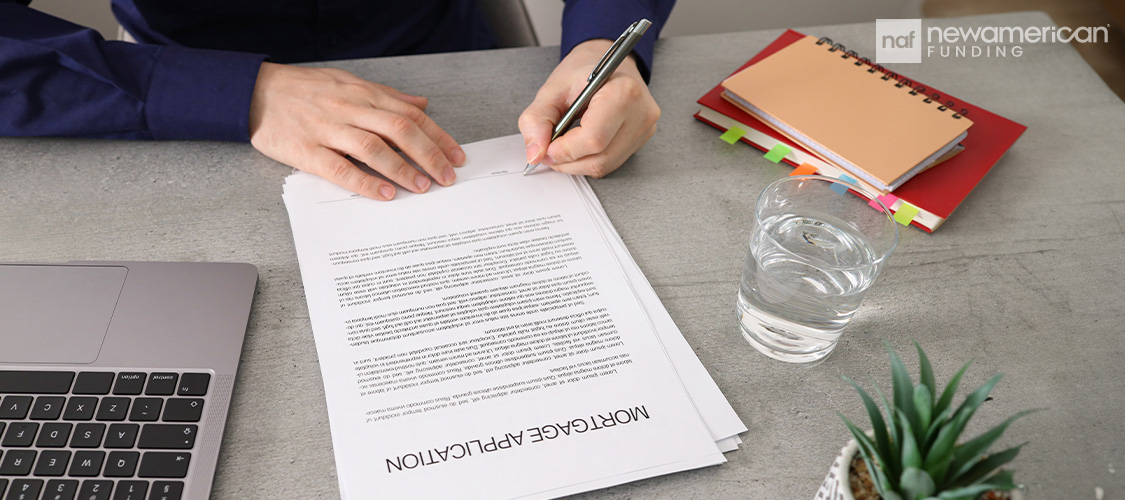
A mortgage application is a formal request you send to a lender. You use it to borrow money to buy a home or refinance a mortgage. This comprehensive document requires you to provide detailed financial information, including your income, employment history, assets, debts, and credit history.
The lender uses this information to evaluate your creditworthiness, determine whether you qualify for the loan, and establish the terms of the mortgage, such as the interest rate, loan amount, and repayment period.
How do I start applying for a mortgage?
Before you start the application process, you're going to want to check your current financial situation. Check your credit score, review your accounts, and make sure that you already have an idea of what kind of home you want and how much you’re comfortable spending.
Then, gather your essential documents. Depending on the loan type you are applying for, these can include:
- Recent pay stubs (last 30 days)
- W-2 forms from the past two years
- Bank statements (last 2-3 months)
- Tax returns (past two years)
- Photo identification
Next, get pre-approved for a mortgage. When you get pre-approved, a lender thoroughly reviews your financial situation and commits to lending you a specific amount, giving you a realistic understanding of your budget before you start house hunting. This prevents the disappointment of falling in love with homes you can't afford and helps you focus your search efficiently.
More importantly, pre-approval demonstrates to sellers that you're a serious, qualified buyer with financing already lined up, which can make your offer significantly more attractive—especially in competitive markets where multiple buyers are bidding on the same property. Sellers are more likely to accept offers from pre-approved buyers because there's less risk of the deal falling through due to financing issues.
What happens during the mortgage application?
When you apply for a mortgage, your loan officer will collect your personal and financial information. Some general topics you will cover include:
- Your employment history and income
- Assets and liabilities
- Credit history
- The property you plan to purchase
- Down payment amount
Your loan officer will be happy to answer any questions you may have about what information is being gathered and why. They can also let you know about programs that may be available to you to help you afford homeownership including down payment and closing cost assistance.
They will also be able to help you select which loan type may be right for your unique needs. For instance, if you are looking to buy an investment property for rental income, they might look into an investment loan like a DSCR loan, instead of a more traditional loan type.
What do lenders look for in a mortgage application?
Lenders evaluate several key factors when reviewing your mortgage application. The details of these change depending on the loan type however, some general factors include:
Credit score: The credit score you need will depend on the loan type you apply for. For example, VA and FHA loans may have no credit score requirement at all, while other loan types require anywhere from 620+. Your credit score may still impact your loan terms regardless of whether or not it is required for approval. A higher credit score is generally more favorable as it may get you lower interest rates and better loan terms.
Income and employment: Stable employment and sufficient income show you can make monthly payments. Lenders typically want two years of consistent work history.
Debt-to-income ratio (DTI): Your DTI compares monthly debt payments to gross income. Most lenders prefer a DTI below 43%, though this is also dependent on the loan type. A higher DTI may be accepted if other parts of your application are strong, like a higher credit score.
Down payment: Similarly to your credit score, your down payment amount will vary by the loan type. VA and USDA loans have no down payment requirement, while Conventional loans have a minimum down payment requirement of 3% and Jumbo loans require a 10% down payment. More specialized loans, like DSCR loans, maybe have a down payment as high as 20%-25%.
The amount you put down does affect your loan terms. Larger down payments often mean better interest rates.
Assets and reserves: Cash reserves demonstrate financial stability and your ability to handle unexpected expenses.
How long does a mortgage application take?
The typical mortgage application process takes 30-45 days from application to closing. However, timing varies based on your financial situation, the property type, and current market conditions.
Being prepared with complete documentation helps speed up the process. Respond quickly to your lender's requests for additional information.
What are common mortgage application mistakes to avoid?
Because applying for a mortgage is a financial process, there are things you will want to avoid doing while your application is in progress. They include:
- Making large purchases before closing
- Changing jobs during the application process
- Opening new credit accounts
- Missing payment deadlines
- Providing incomplete or inaccurate information
The goal is to stay financially stable throughout the application process. Financial changes will change the information that is required for the application. This can slow down the process and may affect your approval, depending on how the changes affect your overall financial profile.

Ready to Start Your Homebuying Journey?
Ask about our loan programs for first-time homebuyers



 Smart Moves Start Here.