- Homeowners
- March 9, 2026
Reverse Mortgages and Taxes: The Advantages Homeowners Won’t Want to Miss Out On
The money you receive from a reverse mortgage isn’t taxable income and that’s just one of the potential tax advantages for older homeowners.

The money you receive from a reverse mortgage isn’t taxable income and that’s just one of the potential tax advantages for older homeowners.

Older homeowners may want to consider a reverse mortgage if they need cash.

Reverse mortgages have been around for decades, but today’s loans look very different from earlier versions.
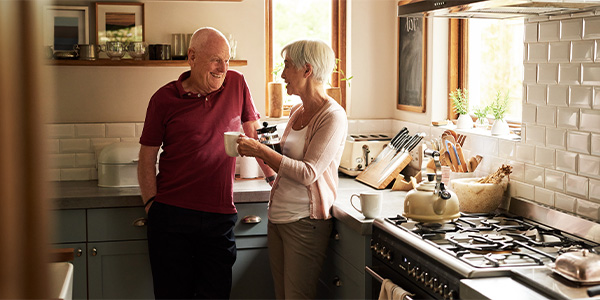
Here’s what you need to know about reverse mortgages, including how they work and who might gain the most from them.
It’s long been said that a person’s home is often the most valuable thing they will ever own. But many people may not know how it can help them to purchase their next one.

As you approach retirement, maintaining your lifestyle without a steady paycheck may be one of the many things that are on your mind. One way to do that is with reverse mortgage. Here's everything you need to know.

There are some common misconceptions about Reverse mortgages. Explore the myths and find out if a Reverse mortgage might be right for you.

Do you know all the facts about reverse mortgages? Take a look at our myth-busting blog on reverse mortgages and make the best decision for your future.

If you own your home free and clear or your remaining mortgage is small, you likely have substantial equity in your home. That makes your home not only an asset, but a financial tool that may give you the financial flexibility you need.
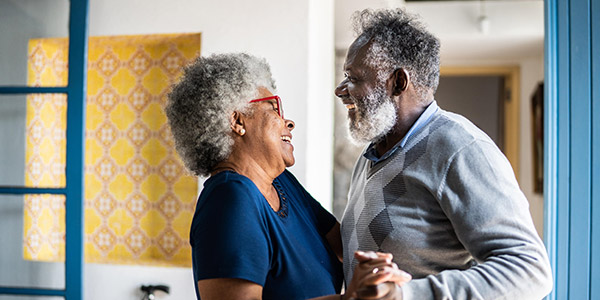
If you're one of the millions of older Americans whose home is paid for or only a small mortgage remains on it, you may be able to increase your security and stability in retirement by learning how reverse mortgages work.
 Smart Moves Start Here.