
What is a Reverse Mortgage?
A Reverse mortgage is a type of home loan available to homeowners who are at least 62 years old that allows them to convert part of their home equity into cash. Instead of making loan payments to your lender, your lender makes payments to you using the payout option of your choosing. The loan is typically repaid when the borrower sells the home, passes away, or no longer lives in the home as their primary residence.
-
No credit score required
Reverse mortgages don't have a credit score requirement.
-
Age In Place
Stay in your home longer.
-
Tax Free Income
Payments from a Reverse mortgage are typically untaxed.
Products & Programs

Reverse Mortgage for Home Purchase
Use a Reverse Mortgage to purchase your next home without monthly mortgage payments. This option allows you to buy a new home that better fits your retirement lifestyle while preserving your savings and retirement accounts.

HECM
The most common type of Reverse Mortgage, insured by the Federal Housing Administration since the late 1980s. Access your home equity through flexible payout options while staying in your home.

Jumbo Reverse Mortgage
For homeowners with higher-value properties who need access to larger loan amounts beyond the standard HECM limits. Proprietary reverse mortgage solutions designed for premium homes.
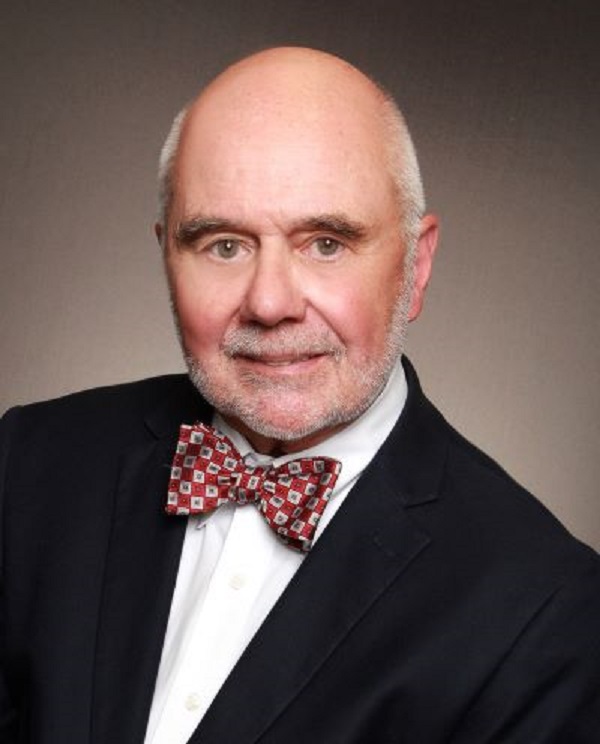
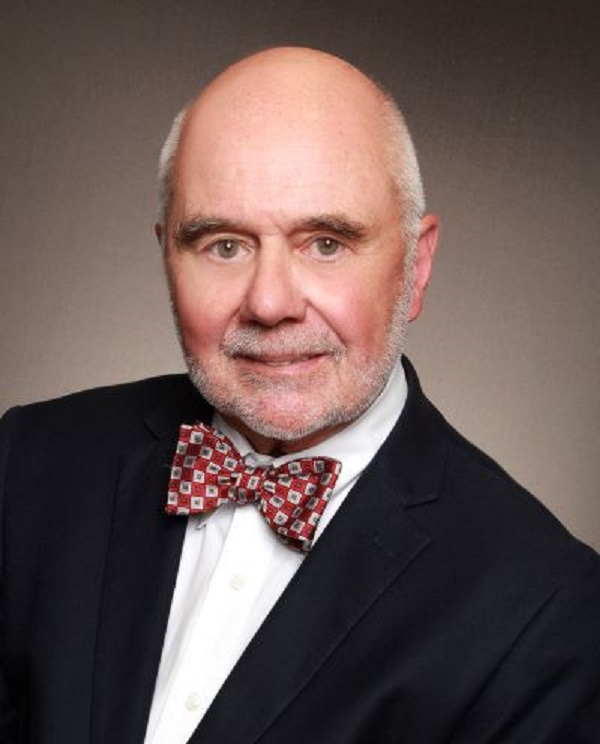
Ray Hrabec
Reverse Loan Consultant
Ray Hrabec is a dedicated Reverse Loan Consultant with solid experience in home loan origination. Ray Hrabec, NMLS #315133 is ready to meet the needs of the community and demonstrate why so many clients have put their trust in New American Funding over the years.
How the Reverse Mortgage
Process Works?

Consult with a Mortgage Loan Expert
Connect with a knowledgeable loan officer who can explain how Reverse Mortgages work and help you determine if this loan type is right for your financial situation.

Complete HUD-Approved Counseling
Attend a counseling session with a HUD-approved counselor to ensure you fully understand the process and aren't being pressured into making a decision that goes against your will or best judgment.

Apply and Get Approved
Complete your application and provide the necessary documentation. Your loan officer will guide you through the approval process.

Processing & Underwriting
Your loan will be reviewed and processed to ensure you meet all of the reverse mortgage requirements.

Closing & Funding
Sign your loan documents and receive your funds according to the payout option you selected—lump sum, line of credit, or monthly payments.

Retire On Your Terms
Think you need to sell your home just because you're getting older? Think again. With a NAF Reverse Mortgage, you can retire on your terms, with wisdom and grace. Whether you want to stay in the home you love or explore new opportunities with a HECM for Purchase, the choice is yours.
Frequently Asked Questions
To qualify for a Reverse Mortgage, you or your partner must be at least 62 years old and live in the home as your primary residence. You'll need to own your home outright or have equity in the home, typically about 50%. You will also need to show you can pay property taxes and insurance. Additionally, you'll need to attend a reverse mortgage counseling session approved by the U.S. Department of Housing and Development (HUD).
The loan is typically repaid when the borrower sells the home, passes away, or no longer lives in the home as their primary residence. Heirs can still inherit homes with reverse mortgages; however, they will need to either pay off the balance or sell the home. If they choose to sell, they can keep the profits minus the debt.
Generally, a Reverse Mortgage won't affect your Social Security or Medicare benefits, as the funds are not considered taxable income. The extra money won't push you into a higher tax bracket or reduce your Social Security or Medicare benefits. However, if you receive need-based benefits, such as Supplemental Security Income (SSI) or Medicaid, consult with a financial advisor to understand potential impacts.
Those approved for a Reverse Mortgage can receive funds as a lump sum, a line of credit, or monthly payments. You retain ownership of the home and can continue living in it. You'll need to continue paying property taxes, homeowners insurance, and maintain the home.
Yes. With a Reverse Mortgage, you retain ownership of your home. The loan is a mortgage on your property, but you continue to hold the title and can live in the home as long as you meet your obligations to maintain the property, pay property taxes, and keep homeowners insurance current.
You can remain in your home as long as you meet your loan obligations: paying property taxes, maintaining homeowners insurance, and keeping the property in good condition. The loan becomes due when you sell the home, move out permanently, or pass away.
Our Customers Love Us!

 Stay one step ahead